Sunday, May 24, 2026
ADVT 
Health

Why Do Dry Eye Cases Peak In April?

Darpan News Desk IANS, 24 Apr, 2015 10:54 AM
    Dry eye -- the culprit behind red, watery, gritty-feeling eyes -- strikes most often in spring due to a surge in airborne allergens, a study says.
     
    Dry eye cases reach a yearly peak in April, the study pointed out.
     
    "For the first time, we have found what appears to be a connection between spring allergens like pollen and dry eye, but also saw that cases rose in winter," said lead researcher Anat Galor, associate professor of clinical ophthalmology at the Bascom Palmer Eye Institute at the University of Miami.
     
    Dry eye can significantly impact a person's quality of life by inducing burning, irritation and blurred vision.
     
    The latest discovery that allergies and dry eye conditions are linked suggests dry eye sufferers may benefit from allergy prevention in addition to dry eye treatments like artificial tears.
     
    For instance, wearing goggles outside for yard work and using air filters indoors may stave off springtime dry eye, the researchers said.
     
    The researchers discovered the correlation between allergies and dry eye by reviewing 3.4 million visits to eye clinics nationwide over a five-year period between 2006 and 2011.
     
    During that time, doctors diagnosed nearly 607,000 patients with dry eye. Researchers also charted the monthly prevalence of dry eye compared to an allergy index over time and found seasonal correlations,
     
    A seasonal spike occurred each spring, when 18.5 percent of patients were diagnosed with dry eye. Another spike came in winter. Prevalence of dry eye was lowest in summer at 15.3 percent.
     
    April had the highest monthly prevalence of dry eye cases: 20.9 percent of patients seen were diagnosed with dry eye that month.
     
    The research team hypothesises that the winter rise in cases of dry eye may be due to low indoor humidity caused by people using heaters indoors without a humidifier to offset the dryness.
     
    The study was published online in the journal Ophthalmology.
    MORE Health ARTICLES

    Fly's genome study offers hope for sleeping sickness

    Fly's genome study offers hope for sleeping sickness
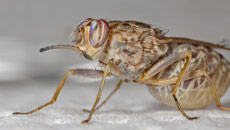
    With genome decoding of tsetse fly that causes the potentially fatal sleeping sickness disease, scientists have discovered new clues to the diet, vision and reproductive strategies of the insect.

    Fly's genome study offers hope for sleeping sickness

    Technology to catch dozing drivers on the go

    Technology to catch dozing drivers on the go
    Long rides at night can now become a lot more pleasant and safe if you listen to researchers who have developed an inexpensive and easier way to find out when the person behind the wheel is about to nod off.

    Technology to catch dozing drivers on the go

    Astronauts may face attention deficit risks

    Astronauts may face attention deficit risks
    Astronauts who are radiation-sensitive need to take extra care to protect their brains as they may face risks of attention deficit and slower reaction times, a study suggests.

    Astronauts may face attention deficit risks

    Befriend a cyber buddy to stay motivated

    Befriend a cyber buddy to stay motivated
    Although a human partner is a better motivator during exercise, a software-generated cyber partner can also be effective in making you work a little extra, research reveals.

    Befriend a cyber buddy to stay motivated

    New method to treat cocaine addiction effectively

    New method to treat cocaine addiction effectively
    There is hardly any effective medications for cocaine addiction, but researchers have now discovered a new compound that can halt cocaine addiction, raising hope for new treatment for drug addicts.

    New method to treat cocaine addiction effectively

    How bariatric surgery can help control diabetes

    How bariatric surgery can help control diabetes
    That bariatric surgery, or obesity surgery, leads to weight loss is well known, but researchers have now identified the mechanism why obesity surgery also leave positive effects on diabetes and heart diseases.

    How bariatric surgery can help control diabetes