Here are some 'basics and beyond' of the COVID-19 vaccination, guided by FREQUENTLY ASKED questions that are important to educate yourself on.
With the onset of the COVID-19 pandemic, a hot topic has been the development of a vaccination to combat its symptoms, spread and impact. In the fall of 2020, talks of the vaccine began proliferating and by winter, the negotiations were in full force on a global scale. With so much information and mis-information floating around, it can be a daunting task to make a decision that is right for you with all the facts presented. Worry not, as you can now easily review the basics – and beyond – of the COVID-19 vaccination, guided by questions that are important to educate yourself on:

Who makes the COVID-19 vaccination?
As per the World Heath Organization (WHO), there are three vaccinations that are authorized. Two vaccines, the Pfizer vaccine and the Moderna vaccine, have been approved for use by Health Canada. Pfizer, an American multinational, prides itself as one of the world’s largest pharmaceutical companies, with recognizable brands such as Advil in the general household. Moderna is an American pharmaceutical and biotechnology company known for drug development Canada does not produce the vaccine, but sources it.
Is the vaccination safe?
The Government of BC proclaims that the COVID-19 vaccines that have been approved by Health Canada are safe, effective and will save lives. Having been used around the world for three months, trial data points to the vaccine being extremely safe. When it comes to pregnancy, research is limited, but vaccinations remain the best way to prevent COVID-19 in pregnant and breastfeeding women. For those who get vaccinated, according to the BC Centre for Disease Control, side effects should subside within a couple of days. Side effects include pain and swelling in the area the vaccination was given. Potential headaches, nausea, vomiting, chills, fever and joint soreness may occur.
Who should get the vaccine?
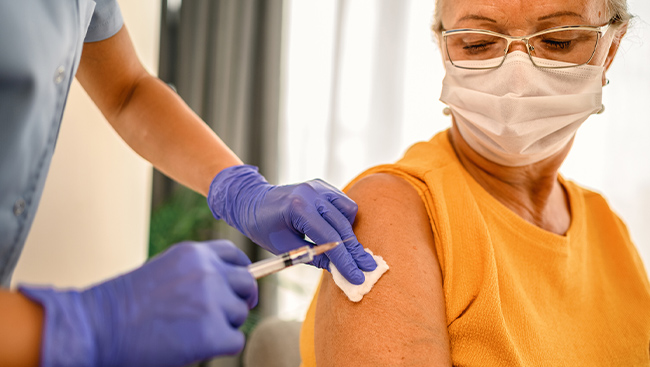
The Pfizer vaccine is approved for those 16 years of age or older, while the Moderna vaccine is approved for those 18 years of age or older. All members of the public should get the vaccine, with priority being given to those at the front line, or those that are most at risk. Dr. Manchanda adds that there is not as much of a rush to those who have already fallen ill to COVID-19, as their body has a natural immunity for it. Although we are not fully sure of this timeline, it is estimated to be around six months.
Why should you get the vaccine?
Vaccinations do not just protect you, but also other vulnerable populations that are at higher risk of contracting COVID-19. Dr. Raman Manchanda, a physician with speciality in Family Medicine, elaborates, “The COVID-19 vaccination is important to prevent COVID-related severe morbidity and death. If we knew for sure that people would only get light illnesses from COVID-19, a vaccination would not be developed. We know for sure that COVID-19 kills people. This is why we need to vaccinate.” He further explains that vaccinations have arguably been the single biggest introduction into medicine that have saved the largest amounts of lives.
Is the vaccination a one-time prevention mechanism?
No. The vaccination will require a second booster shot, for which you will be instructed when you get into the immunization process. Regardless of whether or not you have access to the vaccine yet, it is important to know that the vaccine alone does not cure the world of COVID-19. This disease spreads from those who are not being careful and not following simple recommendations. In addition to following provincial health restrictions, remember to wear your masks, wash your hands, and refrain from touching your face as much. Dr. Manchanda suggests a simple strategy, “Pretend as though you have the disease and everyone else does, too. If everything else is too complicated, just follow one simple protocol. Stay away from others, do not gather, and socially distance.”
How does the vaccination work?
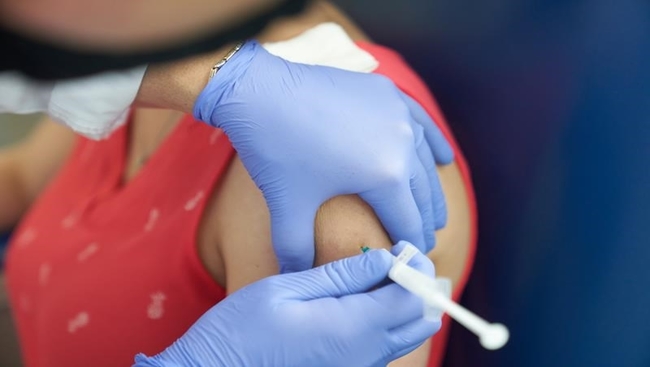
It is helpful to understand how vaccines work in order to remove the fear of the unknown. Immunize BC breaks down the process in an easy-to-understand manner, explaining that vaccines are made using weaker or dead versions of the germs that cause the actual disease at hand, which, in this case, is COVID-19. This is a safe process. Your body responds by creating anti-bodies to fight the germ, much like it would for the real disease. However, it now has a memory of how to fight this germ if it were to ever enter the body again. This means, that, even if you were exposed to COVID-19, your immune system remembers how to fight it and you will not get sick. Note that the COVID-19 vaccination is not a live virus vaccine; it cannot cause COVID-19.
What does the vaccination contain?
UBC medical student, Sukhmeet Singh Sachal, through his organization the Sikh Health Foundation shares, “The COVID-19 vaccine contains safe ingredients that have been rigorously tested and do not go against beliefs or restrictions posed by various communities including the vegan population, as well as Sikh, Muslim, and Jewish communities.”
Ingredients include:
• mRNA: Harmless genetic material to help teach the body’s cells how to fight the infection
• Non-medical Ingredients: Required for the vaccine to function, for various purposes
• Lipids and Cholesterol: Helps the mRNA enter the body’s cells
• Sucrose (Sugar), Potassium Salts, Sodium Salts: Protects the mRNA from breaking down
How will BC roll out the vaccine?
The first round of vaccinations have begun as of mid-December, 2020 and vaccinations will be provided free of cost. Being shipped to multiple locations in the province, there are and will be vaccination sites accessible to all those recommended to get vaccinated. First, priority groups will be immunized, arranged by public health and requiring no action on your part. From December to February, long-term care home staff, residents and visitors will be immunized, alongside health care workers and isolated Indigenous communities. From February to March, seniors and those in group homes, provincial correctional facilities, and shelters are among key target populations. For the general public, a registration and record system is being developed, and all those recommended to get the vaccine should receive the vaccine by the end of the year.
How can you find out more?
Do not rely on viral messages on social media platforms for your information about the vaccination. To get more information, ask your family physician. If you would like to resort to online sources, only check governmental websites for the most up-to-date information. If you are reading the news, make sure that the reporting news outlet is a trusted, reputable one. Service BC agents are also available to help via text or call, with translation services if needed.