There are 289 new cases of COVID-19 in BC for Tuesday, including four epi-linked cases, for a total of 142,636 cases in British Columbia.
The 7 day rolling average is 366 new COVID cases a day with the downward trend continuing. According to health officials today's cases, make up the lowest daily count since late October. The province administered 41,999 vaccines yesterday.
There are 3,782 active cases of COVID-19 in the province. A further 137,062 people who tested positive have recovered. There are 301 individuals currently hospitalized with COVID-19, 93 of whom are in ICU.
There has been 1 new COVID-19 related death, for a total of 1,680 deaths in British Columbia.
New cases by health authority: Coastal - 70 Fraser - 176 Island - 3 Interior - 35 Northern - 4 Outside Canada - 1.
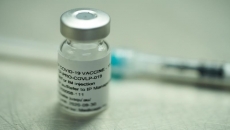
2,927,487 doses of Pfizer-BioNTech, Moderna and AstraZeneca COVID-19 vaccines have been administered to adults 18 and over in B.C., 148,580 of which are second doses. We will hit 3 million later this week.
A four-step plan in British Columbia to ease out of the COVID-19 pandemic could mean people can attend live concerts, watch sports in person and choose whether to wear a mask by Sept. 7.
The launch of the restart program Tuesday began with the relaxing of some restrictions on gatherings, sports events and dining, both indoors and outdoors.
Premier John Horgan said B.C.'s strong immunization rate allows the province to slowly bring people back together, with a target date for the final phase of the plan to be implemented the day after Labour Day.
“It’s an exciting day for all of us,” said Horgan at a news conference. "We’ve made extraordinary sacrifices as a province and a people over the past 15 months."
But he said the success of the rollout will depend on the province's progress to reduce COVID-19 infection rates.
Health officials will be watching COVID-19 case counts and possible transmission events to ensure the province can meet the plan's progressive targets set for June, July and September, Horgan said.
"The way we do that is we make sure our vaccination rates continue to go up," he said. "I'm very confident, but if there's anything we've learned from COVID-19 is to expect the unexpected. Going forward and slamming back again is not what we want to do."
Almost three million of the more than four million people eligible to receive COVID-19 immunization in B.C. have had their first shot.
The changes in restrictions will depend on the number of people being vaccinated and as that number rises, more limits will be removed, Horgan said.
The earliest the public health emergency and provincial state of emergency could be lifted would be July 1, he said.
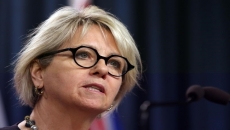
Provincial health officer Dr. Bonnie Henry said the restrictions removed Tuesday include allowing indoor and outdoor dining for up to six people, indoor gatherings with five personal visitors and in-person faith-based gatherings, at reduced capacity.
She said to prevent potential COVID-19 spread in communities, provincial travel restrictions will not be lifted until June 15 at the earliest, with recreational travel permitted only within residents' regions.
A spokesman for an organization representing Canada's largest airlines said in a statement B.C.'s plan gives clarity to the industry and consumers.
"The plan provides criteria for the phased reopening of the economy, including regional and domestic travel," said Mike McNaney, National Airlines Council of Canada president.
The Surrey Board of Trade said timely communication gives businesses a chance to prepare for the staff and supplies they will need in the near future.
"We need to ensure that the majority of British Columbians who are eligible for vaccinations are vaccinated," said Anita Huberman, president of the Surrey Board of Trade in a statement. "That's the only way to reach Step 4 of the plan."
Henry said the province will continue to monitor case counts and the condition of the virus, but expressed confidence vaccines are limiting spread.
"I don't see a situation where we are going backwards unless things change drastically," she said. "We’ll be staying flexible because we know this virus still has some tricks up its sleeve."
B.C. imposed restrictions at the end of March on indoor restaurant dining and group fitness, while reversing a plan to allow indoor faith services as COVID-19 case numbers soared to new highs.
COVID-19 case counts increased rapidly as variants of the virus began to dominate. Infection rates peaked in early April, while hospital admissions increased and intensive care units filled with patients.
The number of hospitalizations prompted the government to cancel non-urgent surgeries in the Fraser and Vancouver Coastal health regions.
The restrictions were supposed to last until April 19 but were extended as more restrictions on travel were introduced.