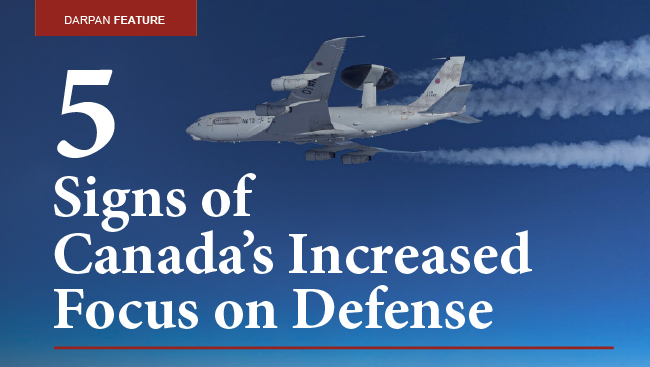
Canada’s defense policy is undergoing a noticeable and increasingly structural shift, shaped by global instability, evolving security threats, and changing expectations from its closest allies. In recent years, rising geopolitical tensions, renewed competition in the Arctic region, and sustained pressure from the North Atlantic Treaty Organization (NATO) regarding capability and spending commitments have pushed Canada to significantly expand both its defense budget and the scope of its military modernization efforts.
At the same time, shifting dynamics in its economic and security relationship with the United States of America (USA), including periodic trade disputes and tariff-related tensions, have contributed to a broader domestic conversation about Canadian sovereignty, strategic autonomy, and long-term self-reliance. These discussions take place while Canada remains deeply integrated into continental defense structures, particularly through the North American Aerospace Defense Command (NORAD), and continues close coordination with the United States and NATO allies.
Canada is strengthening its own capabilities while maintaining full participation in collective security arrangements, with greater investment in readiness, procurement, infrastructure, and emerging technologies, alongside renewed focus on Arctic security and domestic defense capacity. Here are five key developments that show what this shift looks like in practice:
1. Canada Reaches NATO’s 2 Percent Defense Spending Benchmark
Canada has reached the North Atlantic Treaty Organization (NATO) target of spending 2 percent of gross domestic product (GDP) on defense in the 2025-26 fiscal year. This marks a major milestone in national defense policy and reflects a significant increase in investment across personnel, equipment, infrastructure, and operational readiness. The rise in spending also includes expanded investment in cyber capabilities, intelligence, surveillance, and other security functions that support both domestic and international operations, strengthening the Canadian Armed Forces in a rapidly evolving global security environment. It signals Canada’s stronger alignment with NATO expectations and a more sustained commitment to collective defense responsibilities, alongside a broader shift toward long-term defense planning and capability development.
2. Major Multi-Year Defense Investment Plan
Canada has committed to a major multi-year increase in defense spending, with tens of billions of dollars in new investments planned over the next five years. This represents one of the largest sustained increases in decades and signals a long-term shift in how defense capability is being built and maintained. Funding is being directed toward personnel recruitment and retention, equipment procurement, infrastructure upgrades, and digital modernization across the Canadian Armed Forces. It also supports the long-term strengthening of Canada’s defense industrial base, including domestic production capacity and supply chain resilience. Together, these investments reflect a shift from incremental upgrades toward structured, long-term rebuilding of military capability and readiness.
3. Arctic Security and NORAD Modernization
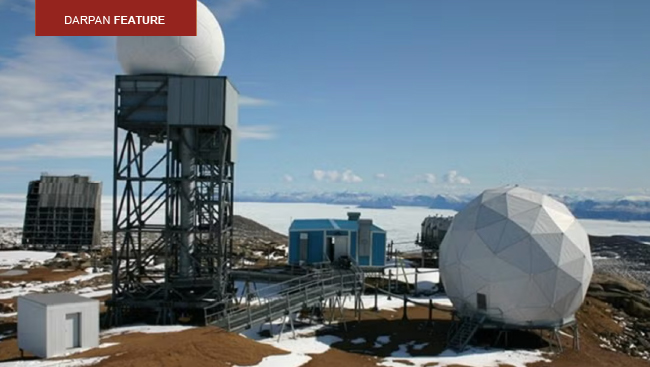
The Arctic has become a central focus of Canada’s defense planning. Canada is investing in northern surveillance systems, infrastructure, and expanded operational capability in remote regions to strengthen its presence and responsiveness in the North. This effort is closely linked to the North American Aerospace Defense Command (NORAD) modernization with the United States, including early warning radar upgrades and improved Arctic monitoring systems. These investments reflect the growing importance of maintaining security in the North as climate change increases access to Arctic routes and resources. Canada’s approach combines a stronger emphasis on Arctic sovereignty and national resilience with continued integration within continental defense systems shared with the United States and NATO allies.
4. Domestic Defense Industry and Emerging Technologies
Canada is strengthening its domestic defense manufacturing and supply chains through a new Defence Industrial Strategy. The goal is to reduce reliance on foreign procurement while expanding Canadian production of military technology and dual-use innovation. This includes supporting domestic firms and strengthening supply chain resilience across critical sectors. Key areas of investment include aerospace, shipbuilding, artificial intelligence, cybersecurity, and quantum technologies. Within this, quantum sensing and post-quantum encryption are being explored as longer-term capabilities for secure communications and defense resilience. This approach links industrial policy more directly to national security priorities while also supporting domestic economic growth, innovation, and high-skilled job creation across Canada’s technology and manufacturing sectors.
5. Military Modernization and Global Operations
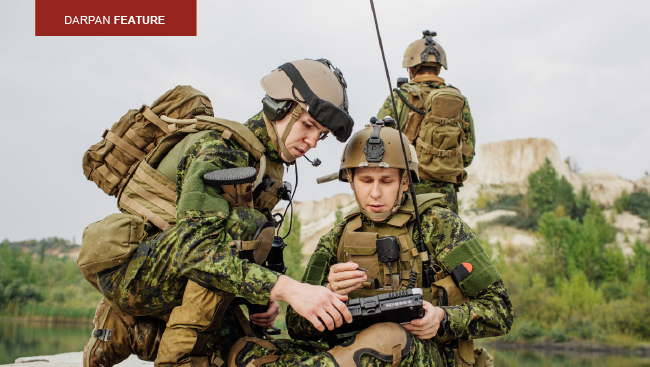
A significant portion of defense investment is focused on replacing outdated systems and improving operational readiness across the Canadian Armed Forces. This includes new fighter aircraft procurement, naval expansion, Arctic and offshore patrol vessels, and upgraded surveillance and communications infrastructure to support modern operations in multiple domains. Canada is also maintaining an active international military presence through the North Atlantic Treaty Organization (NATO) and allied operations. This includes deployments in Europe and participation in multinational deterrence and training missions, particularly along NATO’s eastern flank. These commitments reflect Canada’s role in collective security frameworks and a more consistently operational military posture compared to earlier decades, with greater emphasis on readiness, interoperability, and sustained engagement alongside allied forces.
Canada’s defense strategy is shifting toward a more sustained and structured model of investment, reflecting a reassessment of how it prepares for evolving security challenges. While remaining closely integrated within the North Atlantic Treaty Organization (NATO) and the North American Aerospace Defense Command (NORAD) frameworks, Canada is focusing more on reducing capability gaps, improving readiness, and ensuring long-term sustainability of its armed forces.
A key priority is building domestic capacity in defense manufacturing, supply chains, and emerging technologies. Canada is also strengthening its Arctic presence through improved surveillance, infrastructure, and expanded northern operations. Modernization across land, air, sea, cyber, and space domains supports this shift toward greater resilience and operational independence.