Sunday, May 24, 2026
ADVT 
National

Canada changes regulations for chemicals used to make fentanyl, methamphetamine

Darpan News Desk The Canadian Press, 19 Dec, 2025 02:27 PM
  • Canada changes regulations for chemicals used to make fentanyl, methamphetamine

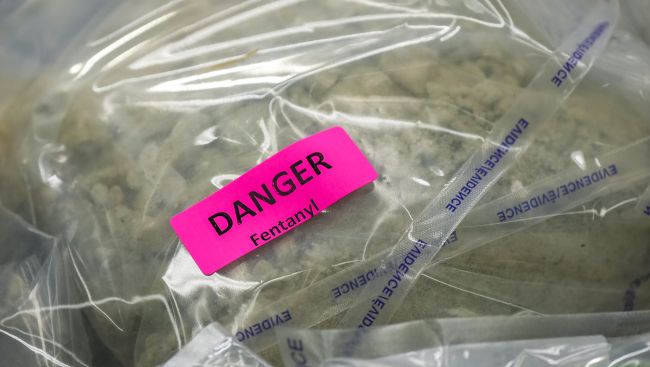
Health Canada says it has amended the regulations for precursor chemicals and manufacturing equipment used to make illegal synthetic drugs like fentanyl and methamphetamine.

Changes to the regulations under the Controlled Drugs and Substances Act include mandatory reporting of suspicious transactions involving precursors, and requiring licensed companies to take "reasonable measures" to prevent the diversion of the chemicals.

A statement from Health Canada says the changes expand conditions for selling certain health products containing ephedrine or pseudoephedrine to minimize the risk of diversion to illegal markets.

The agency says it is also decreasing the availability of drug manufacturing equipment such as pill presses and by requiring import registration for certain component parts.

Canada's drug laws list dozens of chemicals, most of which have legal uses — such as in pharmaceuticals, fragrances and flavouring agents — that are also considered precursors to making illegal drugs.

Health Canada says the new measures aim to help disrupt illegal drug production by criminal organizations and ensure that border enforcement officials have the tools to stop the illegal importation of drug manufacturing equipment.

A summary of the new regulations says most of the overdose deaths in Canada involve illegally produced fentanyl, and that police have noticed an increase in illegal domestic production as well as the illegal importation and diversion of chemical ingredients and equipment.

"The amendments will help disrupt illegal domestic drug production by organized crime groups, not only decreasing the risk that these harmful drugs are present in Canada, but also decreasing the risk that they would be illegally exported to other countries," the summary says.

Ephedrine and pseudoephedrine are two precursors that have an established history of misuse and diversion to the illegal production of methamphetamine. 

Health Canada says natural health products and non-prescription drugs containing these precursors have been authorized for sale as decongestants, but there is evidence that some have been promoted and sold often to consumers who want to enhance athletic performance and increase weight loss and energy.

Picture Courtesy: THE CANADIAN PRESS/Darryl Dyck

MORE National ARTICLES

Canadians should expect AI-enabled foreign meddling in election: cybersecurity centre

Canadians should expect AI-enabled foreign meddling in election: cybersecurity centre
In a new report, the Canadian Centre for Cyber Security says it expects individuals affiliated with the Chinese government will continue to target diaspora communities, pushing narratives favourable to Beijing's interests on social media platforms. Cybercriminals are also likely to take advantage of election-related opportunities to perpetrate scams, says the centre, which is an arm of Canada's cyberspy agency, the Communications Security Establishment. 

Canadians should expect AI-enabled foreign meddling in election: cybersecurity centre

B.C. to get about $3.7 billion in tobacco lawsuit settlement

B.C. to get about $3.7 billion in tobacco lawsuit settlement
British Columbia Attorney General Niki Sharma says B.C.'s share of a landmark settlement for health damages from the big tobacco firms will be about $3.7 billion. It's part of a $32.5-billion Canadian settlement between JTI-Macdonald Corp., Rothmans, Benson & Hedges and Imperial Tobacco Canada Ltd. and their creditors after more than five years of negotiations.

B.C. to get about $3.7 billion in tobacco lawsuit settlement

B.C. poised to toll U.S. trucks driving to Alaska through province in tariff response

B.C. poised to toll U.S. trucks driving to Alaska through province in tariff response
British Columbia will introduce legislation in the coming days that would give it the ability to levy fees on commercial trucks travelling from the United States through the province to Alaska, Premier David Eby said.  The move against Alaska-bound trucks is part of a series of responses the province is planning after the "unprecedented attack" from the United States that put a 25 per cent tariff on many Canadian goods.

B.C. poised to toll U.S. trucks driving to Alaska through province in tariff response

Canada halts second tariff wave after Trump announces pause

Canada halts second tariff wave after Trump announces pause
Finance Minister Dominic LeBlanc says Canada has suspended a second wave of retaliatory tariffs after U.S. President Donald Trump signed an executive order to pause some duties.

Canada halts second tariff wave after Trump announces pause

Former Canadian Olympic athlete added to FBI's 10 most wanted fugitives list

Former Canadian Olympic athlete added to FBI's 10 most wanted fugitives list
Ryan James Wedding is wanted for allegedly leading an organized crime group that moved large shipments of cocaine from Colombia through Mexico and California to Canada and other locations in the United States.

Former Canadian Olympic athlete added to FBI's 10 most wanted fugitives list

Shots over the bow: Why provinces are using liquor leverage in trade war with U.S.

Shots over the bow: Why provinces are using liquor leverage in trade war with U.S.
What they all have in common is the "currently unavailable" designation, having been yanked from sale by British Columbia's government in retaliation for U.S. President Donald Trump's tariffs on Canadian imports. Calling time on U.S. alcohol has been a popular move among Canadian provincial and territorial governments looking for ways to fight back in the trade war. 

Shots over the bow: Why provinces are using liquor leverage in trade war with U.S.