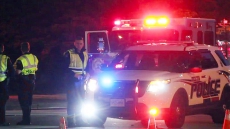
A rising death toll from overdoses in B.C. during the COVID-19 pandemic has advocates, government officials and health-care workers concerned about a public health emergency that has been overshadowed by the response to the virus. The BC Coroners Service says 113 people died in March of suspected illicit drug toxicity, the first time in a year that deaths from overdoses across B.C. exceeded 100.
The province declared opioid-related overdoses a public health emergency four years ago. More than 5,000 people have died from overdoses since then. Judy Darcy, the minister of mental health and addictions, said overdose deaths have become routine to people in B.C. "I think the reality is that over the last few years, sadly, I hate to say this, sadly, I think the overdose crisis in many peoples' lives has come to be normalized," she said.
B.C. was starting to see a drop in overdose-related deaths by the end of 2019, only to see a spike once the COVID-19 pandemic started. "What you have is almost a COVID perfect storm for people at high risk," Darcy said. "We're talking about two public health emergencies, we're talking about a more toxic drug supply and we're talking about people staying home because of COVID-19. The majority of people who die of overdoses die because they're using alone." Dr. Patricia Daly, the chief medical health officer for Vancouver Coastal Health, said it's difficult to sustain attention on the long-running health emergency in the face of a global pandemic. "It's hard to keep it top of mind and people are concerned — and rightly so — about COVID-19, which has had an impact on all of our lives, but it's about a balance of risk," she said in an interview.
Drug users living in Vancouver's Downtown East Side face a bigger risk from overdoses than they do from COVID-19, Daly added. Toronto also saw a spike in overdoses and related deaths in March and April. Toronto Public Health said the 19 overdose deaths in March were the highest they've been in a year. The Northern Health authority has the highest rate of overdose deaths in B.C. Its medical officer blames a changing drug supply combined with physical distancing measures for part of the increase in deaths. Another factor could be tied to government relief funds, said Dr. Rakel Kling. "Some access to some of the government funding and a bit easier access to money from the COVID response could be contributing to different drug use as well," Kling said in an interview.
Kling wouldn't speculate on how government relief funds could specifically affect overdoses, besides allowing users to buy different drugs. Part of the problem facing the heath authority in combating overdoses is its size, she said. Northern Health is responsible for 300,000 residents ranging across a vast area from central B.C. to the border with the Northwest Territories and Yukon. "While all of our communities have harm-reduction supplies, it could be quite a distance to access these supplies," she said, adding that the problem is particularly acute in smaller communities. To prevent overdoses during the COVID-19 pandemic amid fears the illegal drug supply would become more toxic, B.C. issued guidelines for a safe supply of drugs for users in April.
It allows doctors to prescribe alternative medications for those using illicit drugs, ranging from hydromorphone for opioid users to Dexedrine for those who use stimulants. Karen Ward, a drug rights advocate as well as a drug policy and poverty reduction consultant with the City of Vancouver, believes the COVID-19 pandemic highlights how lives can be saved when resources and political will are directed at an issue. "It's a lack of political will and it's a choice. This took time to turn into a disaster," she said of the overdose death toll. "Thousands of people have died and that didn't have to happen." Darcy called the recent deaths "heartbreaking," adding that overdoses are not being treated with less importance by the provincial government. She cited the $608 million the province has allocated to combat overdoses and help drug users since the NDP came to power almost three years ago as evidence of its political will. "Of course there's a lot more to do but we have not taken our foot off the pedal for one minute," Darcy said. Ward would like the province follow a recommendation from a 2019 report authored by provincial health officer Dr. Bonnie Henry, who called for the decriminalization of the possession of illegal drugs in the province. At the time, the government said it would not follow the recommendation as decriminalization fell under federal jurisdiction.