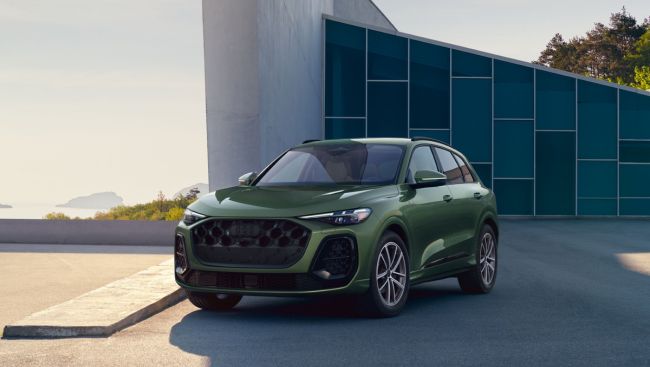
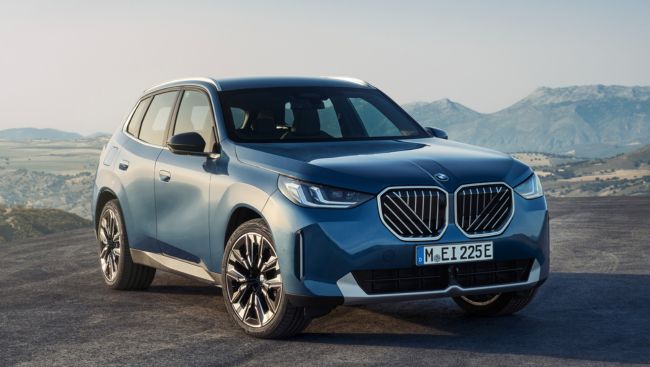
The Audi Q5 and BMW X3 are among the most popular options for shoppers interested in a small luxury SUV. Each one offers a practical size, a classy cabin, and a relatively affordable way to get an SUV with a luxury badge.
Notably, the Q5 and the X3 also received full redesigns last year. The BMW X3 adopted a radically different design inside and out. The Audi Q5’s exterior didn’t change much, but inside there’s a new emphasis on technology.
So, which luxury SUV is the better buy? Let’s examine their specs, strengths, weaknesses and differences, along with how Edmunds’ car experts rated them overall and in specific categories.
Performance and fuel economy
Both the X5 and Q5 are available with powerful performance variants, but for this comparison, we’ll stick with the more popular standard engines. Each SUV comes standard with a turbocharged 2.0-liter four-cylinder engine. The Q5’s is slightly more powerful — it makes 268 horsepower compared to the X3’s 255 horsepower — but in real-world acceleration, the two SUVs are very similar. Both have sufficient power to quickly get you up to highway speeds or pass a slow-moving vehicle without trouble.
When it comes time to fill up at the pump, the EPA estimates that the Q5 will get 24 mpg in combined city/highway driving. The X3 30 xDrive gets an estimated 29 mpg combined, so that’s a crystal-clear advantage in the BMW’s favor.
Advantage: BMW X3
Comfort and space
The Q5 and X3 both have a comfortable ride, albeit with a typically German buttoned-down feel. Keep in mind, though, that options such as the X3’s M Sport package can enhance handling performance at the detriment to ride smoothness. Your best option for a cushy ride is to get the Q5 Prestige trim, which comes with an air suspension that can also adjust the SUV’s ride height.
The Audi Q5’s back seat offers more legroom and its seatback reclines, unlike the fixed back of the X3. If you’re a rear passenger, you’re likely to prefer the Audi. Edmunds’ car experts touted both for having front seats with firm cushioning and extensive adjustments.
In terms of cargo capacity, the BMW would seem to have an advantage on the spec sheet, but Edmunds’ editors were able to fit just as much luggage behind the Q5’s back seat as the X3’s. Moreover, the Q5’s 60/40-split back seat can slide forward to increase cargo capacity even further should you be OK sacrificing some rear seat legroom.
Advantage: Audi Q5
Technology
The Audi Q5 and BMW X3 interiors both feature big touchscreen infotainment systems. Both include full integration of the climate controls into the screen, requiring more concentration to use and additional steps to make adjustments previously accomplished by pressing a simple button. Beyond that, though, Edmunds’ experts found both systems to be impressive. They even have similarly sized screens.
Connectivity to your personal devices is also excellent for both. Standard equipment includes a wireless phone charging pad, USB-C ports in each row, and wireless Apple CarPlay and Android Auto. Both also include integrated navigation and a digital instrument panel.
Audi and BMW also offer similar standard driver assistance features, such as forward collision warning, automatic braking, lane keeping assistance and blind-spot warning. The Q5 also comes with standard adaptive cruise control, which is an option on the X3. But the X3 offers a hands-free highway driving assistance function intended for traffic congestion that operates at speeds up to 40 mph. Audi doesn’t currently offer a hands-free driving system on the Q5.
Advantage: tie
Value
The BMW X3’s base price is lower at $52,650 compared to $54,095 for the Q5, including destination fees. That said, the Audi Q5 comes with equipment you have to pay extra for in the BMW, including all-wheel drive, a panoramic sunroof, leather upholstery, adaptive cruise control, and a function that lets you use your phone as the car’s key. The Q5 can get more expensive than the X3 when fully loaded, however, and its styling isn’t as evocative. Overall we think you’re getting a bit more for your money with the X3.
Advantage: X3
Edmunds says
This comparison is incredibly close, as are the overall Edmunds Rating scores for both. The X3 ultimately has a slightly higher score, but we would recommend the Q5 if comfort is a priority.
Picture Courtesy: Audi AG via AP, BMW of North America via AP