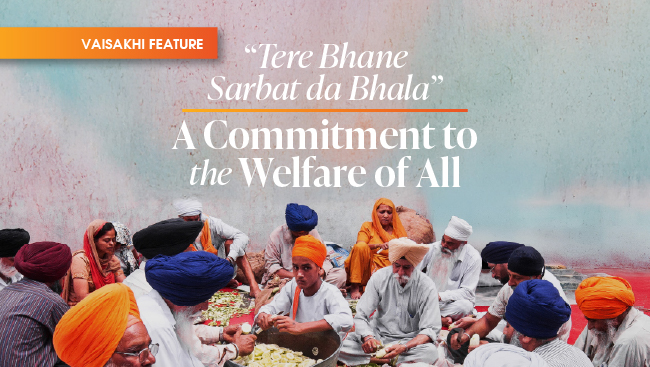
As we enter the season of Vaisakhi, there lies a timeless principle that urges us to look beyond ourselves. At its core, Sarbat da Bhala (welfare of all) is more than just wishing well for others. It is an acknowledgement of our divine oneness and of the idea that by lifting others, we are, in turn, lifting ourselves.
From this perspective, praying for Sarbat da Bhala is not invoking a divine intervention, but rather asking for the strength to uplift ourselves and our communities. It is asking for the strength to act with integrity, compassion, and a deep dedication to the well-being of all.
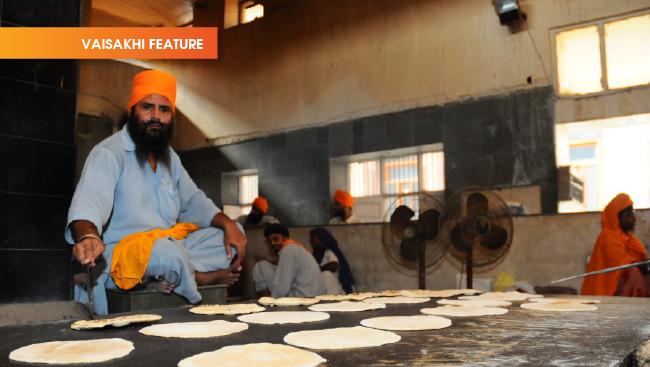
During this time of the year, we reflect on how Guru Gobind Singh Ji’s Khalsa embodies this very value. Guru Ji’s hukam (order) was to live for seva (selfless service), protect the oppressed, and uphold justice. More importantly, it was initiated as a collective responsibility, not just an individual one, which emphasizes our oneness. In order to uphold Sarbat da Bhala, we must seek the empathy to feel and the strength to act, as injustice to our neighbor is injustice to Khalsa; and in turn, should feel like injustice to us.
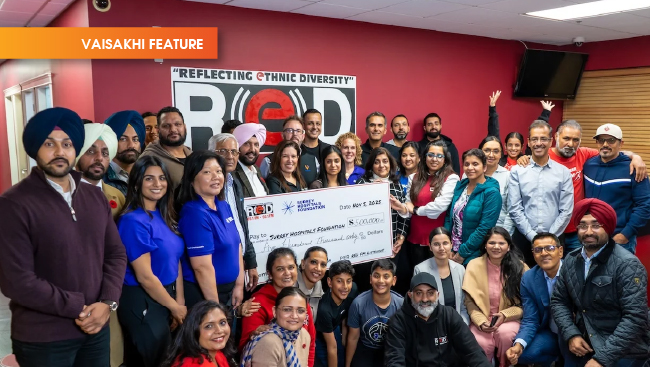
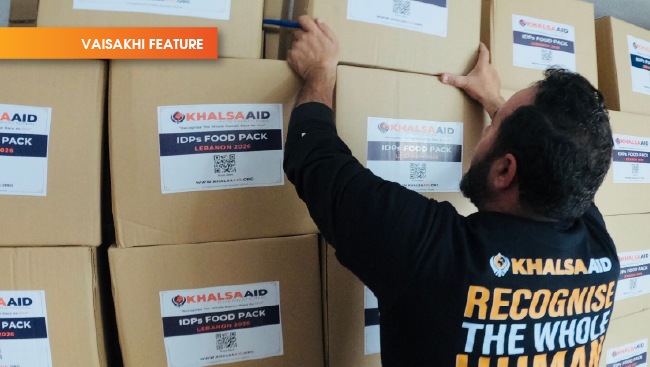
For myself, the idea of wellness is deeply personal. Time and time again, I have seen our global Sikh community stand together for seva. From Khalsa Aid to Global Sikhs, RedFM’s Gurpurab Radiothon to Guru Nanak’s Free Kitchen, and importantly, every Gurdwara that opens its door to anyone in need. It fills me with hope and deep inspiration.
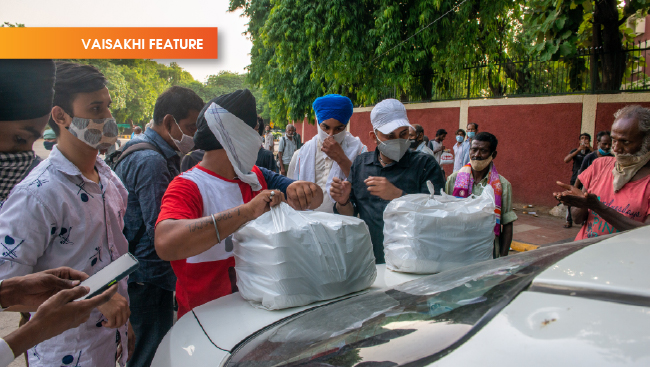
On this note, here’s what Gurbani says about Sarbat da Bhala:
ਨਾ ਕੋ ਬੈਰੀ ਨਹੀ ਬਿਗਾਨਾ ਸਗਲ ਸੰਗਿ ਹਮ ਕਉ ਬਨਿ ਆਈ ॥੧॥ (Raag Kaanrhaa, Ang 1299)
No one is my enemy, and no one is a stranger. I am at peace and united with everyone. ||1||
On the surface, this Vaak (line) from Guru Arjun Dev Ji represents the idea of unity and neighborliness. Looking deeper, it may suggest that inner peace can stem from external compassion; from recognizing that the well-being of others is inseparable from one’s own. In today’s world, this Shabad reminds us to act against discrimination and to see others through the lens of shared humanity.
ਨਾਨਕ ਨਾਮ ਚੜ੍ਹਦੀ ਕਲਾ ਤੇਰੇ ਭਾਣੇ ਸਰਬਤ ਦਾ ਭਲਾ॥ (Sikh Ardaas)
May the name, as revealed by Guru Nanak Dev Ji prevail and prosper, forever and ever, may thy will be done wherein lies the good of all.
We recite this at the end of every Ardaas (daily prayer), often repeated, enough that we may overlook the deeper meaning of this powerful bachan (word). By remaining in Chardi Kala and accepting tera bhana (divine will), we are empowered to stay in ever-rising spirits, despite any situation. It asks not for the world to conform to our desire, yet the strength to show up within it. It asks of us to look beyond the lens of apne (our own), and care for those whom we may never meet. Furthermore, it pushes us to act in ways that reflect “wellness for all.”
This Vaisakhi, let us live our prayers in action, transforming our ardaas (prayer) into strength for action, for Sarbat da Bhala. Let us uplift all and commit to wellness for everyone.
Nanak Naam Chardi Kala Tere Bhane Sarbat da Bhala.