Thursday, December 18, 2025
ADVT 
Feature

The Five Ks of Sikhism

Jasleen Kaur Brar Darpan, 14 Apr, 2025

    As we honor the Sikh Heritage Month and prepare for Vaisakhi, it’s important to understand the significance of the five Ks of Sikhi. Initiated (Amritdhari) Sikhs commit to following the Sikh Code of Conduct, which includes daily meditation and wearing the five Sikh articles of faith, also known as the five Ks or panj kakaar, at all times. The 5 Ks date from the creation of the Khalsa Panth by Guru Gobind Singh in 1699. They are not only an external aspect of a Sikh's identity but also represent deep spiritual commitments. Initiated Sikhs regard them as a part of their body. The five Ks are as follows: 
     

    Kesh (Uncut Hair): Unshorn hair, known as kesh, symbolizes the acceptance of God’s will. Sikhs consider all body hair as a sacred gift from God. Initiated Sikhs keep their hair covered at all times with a Dastaar (turban or head-covering), which represents spiritual wisdom and equality. Maintaining uncut hair is a way of expressing love for God and serves as a visual reminder of His perfection.

    Kanga (Wooden Comb): A kanga is a small wooden comb worn in uncut hair. The kanga promotes cleanliness and reflects the Sikh values of self-care and discipline. Sikhs comb their hair at least twice a day to keep it clean and tidy. Just as the wooden comb helps maintain cleanliness and removes dead hair, Gurbani, God’s hymn, purifies the mind and reminds Sikhs that human life is limited, much like the hair they shed. 


    Kara (Iron or Steel Bracelet): A kara is an iron or steel bracelet worn on a Sikh’s wrist and has many purposes. The kara acts as a reminder for Sikhs to practice righteousness and selfless service with their hands. The circular shape signifies there is no beginning or end of the Creator. The kara should be made of iron, as it is a strong, inexpensive, and accessible metal for all. If a Sikh is allergic to iron, a steel kara can be worn. A kara should not be made of gold or silver, as these metals are not strong and are considered ornaments rather than serving the true purpose intended for the kara.  


    Kachera (Cotton Undergarment): A kachera is a cotton undergarment that symbolizes chastity, discipline, and self-control. The kachera assists in regulating body temperature and reminds Sikhs to control lust, one of the five evils in Sikhi.  
     

    Kirpan (Miniature Sword): The kirpan is a significant article of faith that looks like a miniature sword. The word kirpan means grace and honor and signifies the Sikh’s duty to stand up against injustice. It symbolizes bravery and protection of the weak and innocent. Initiated Sikhs wear the kirpan sheathed and restrained in a cloth belt called a gatra. The kirpan should not be regarded as just a sword because Sikhs who wear the kirpan have a spiritual responsibility to abide by the Sikh values of justice, protection, and compassion.


    These five sacred articles of faith stand as powerful reminders of a Sikh’s commitment to justice, righteousness, compassion, and selfless service. By embracing the five Ks, Sikhs honor and carry forward Guru Gobind Singh Ji’s legacy with unwavering devotion. 

    MORE Feature ARTICLES

    Diwali Then and Now: How Diwali Celebrations Have Changed in 21st Century Canada

    Diwali Then and Now: How Diwali Celebrations Have Changed in 21st Century Canada
    Diwali, the festival of lights, has undergone a profound transformation in Canada in the last few decades. Once celebrated more intimately within the South Asian community, the festival today has blossomed into a grand, inclusive event embracing a multicultural spirit. This evolution is reflective of the shifting demographics, cultural integration, and vibrant South Asian diaspora that has made Canada home.

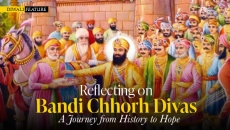
    Reflecting on Bandi Chhorh Divas: A Journey from History to Hope

    Reflecting on Bandi Chhorh Divas: A Journey from History to Hope
    Bandi Chhorh Divas, a festival celebrated by Sikhs and devotees around the world, is a time of joy, reverence, and reflection on the values of freedom and compassion. With roots tracing back to the early 17th century, the tale unfolds at a time when Guru Hargobind Ji, the sixth Guru, was imprisoned in the Gwalior Fort by Emperor Jahangir.

    The First Diwali Away From Home: Immigrant Stories of Light, Tradition, and Hope

    The First Diwali Away From Home: Immigrant Stories of Light, Tradition, and Hope
    For those who have recently made Canada their new home, Diwali serves as a bridge to their roots, even as they navigate unfamiliar traditions and surroundings, reflecting the universal yearning to maintain cultural connections amidst seizing new opportunities around the world. 

    Limited Edition Global Collections Lighting Up the Festival of Lights

    Limited Edition Global Collections Lighting Up the Festival of Lights
    Diwali, the festival of lights, has long transcended its roots in South Asia and is now a celebration spread over several continents. Its universal themes of light triumphing over darkness and new beginnings resonate far and wide, inspiring global brands to launch limited-edition Diwali capsules year after year. With irradiant jewelry edits and cosmetic products shaped like sparkling diyas, here’s a look at how global brands celebrate Diwali's spirit with style and fervor.

    Olympics 2024 at a Glance: The Defining and Defying Moments that will go down in History

    Olympics 2024 at a Glance: The Defining and Defying Moments that will go down in History
    With its iconic landmarks and vibrant spirit, Paris set the stage for athletes to etch their names into history, albeit with some ‘banger’ and ‘bummer’ moments that we will rave about through generations. Whether it’s a poignant goodbye, a surprising hero, or a nail-biting finish, these stories have defined the big fat sports gala. From heartwarming to heart-wrenching to bone-tickling, here’s reminiscing the indelible!

    Beyond the Stereotypes: A Deep Dive into the International Student Experience

    Beyond the Stereotypes: A Deep Dive into the International Student Experience
    The narrative around international students in Canada is further complicated by prevalent stereotypes, which can unfairly depict them as contributors to housing shortages and job competition rather than recognizing their vital role in the country’s educational and economic landscape. We delve into the personal stories of three international students who share their experiences and challenges in this increasingly complex environment.