
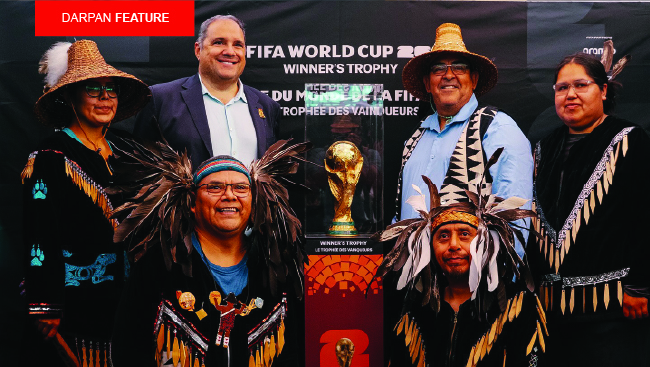
With just under a year to go until the 2026 FIFA World Cup kicks off in Vancouver, the city is already buzzing with anticipation. Recently, the iconic FIFA World Cup trophy was displayed in East Vancouver and downtown at Jack Poole Plaza, offering fans a glimpse of football's most coveted prize.
Indigenous cultural performances from the Musqueam, Squamish, and Tsleil-Waututh Nations marked the official welcome to the global tournament, setting the tone for what promises to be a monumental event.
Vancouver will host seven matches at BC Place, one of 16 host cities selected across Canada, Mexico, and the United States. The 104-match tournament, expanded for the first time to include 48 teams, is expected to be the largest and most-watched sporting event in history. BC Place will stage five group-stage games, including Canada’s second and third matches, as well as two knockout fixtures. The stadium, already renowned for hosting the 2015 FIFA Women’s World Cup Final, is ready to once again take center stage in the global football community.

"Bringing the 2026 FIFA World Cup to Vancouver is transformational for the sport in our city, province, and country," shares Axel Schuster, Vancouver Whitecaps FC CEO and Sporting Director. "We have seen continued growth of football here in Vancouver, not only with attendance at our matches at BC Place, but also in our youth programs, social media engagement, media coverage, and an overall passion for the game. The World Cup is the biggest sporting event in the world, and it will leave a lasting legacy for everyone."
That legacy is already visible in the growing popularity of soccer in the Lower Mainland. With a surge in youth enrolment, increased match attendance, and a more diverse fan base, the momentum is palpable. The rise of the Vancouver Whitecaps FC and star alumni like Alphonso Davies has helped elevate the game locally and nationally. Football is also gaining traction within South Asian communities, with increasing numbers of young players taking up the sport and families filling the stands.
Schuster highlights, "One of the main goals at Vancouver Whitecaps FC is to grow the game across Canada, and to unite and inspire our communities. We continue to invest every year in grassroots programs, from camps to community events, academy centers, and right up to our professional pathway, where we have seen local players like Jeevan Badwal get an opportunity to shine. It is important for young kids to be able to see their heroes and go to LIVE games, and that has been inspiring the next generation."
The 2026 World Cup could be a watershed moment for football in Canada—one that fosters inclusivity, accessibility, and long-term community growth. Adding to the excitement, volunteer applications are now open for World Cup events. Organizers are seeking enthusiastic locals to support logistics, fan experiences, and cultural programming. With the trophy making the rounds and community engagement ramping up, Vancouver is already wearing its host city pride.
That said, there are practical concerns. Hotel rates for the June and July match dates have skyrocketed, with rooms in downtown Vancouver being priced at up to thousands per night. Even hotels outside the core are offering little relief, a potential hurdle for fans traveling from other parts of Canada and abroad. Additionally, some worry about the impact on vulnerable populations. The City of Vancouver’s hosting contract with FIFA has raised questions around the enforcement of "beautification" and control zones around BC Place. While officials maintain there are no plans to displace unhoused individuals, the precedent from previous large-scale events, such as the 2010 Winter Olympics, leaves room for concern.
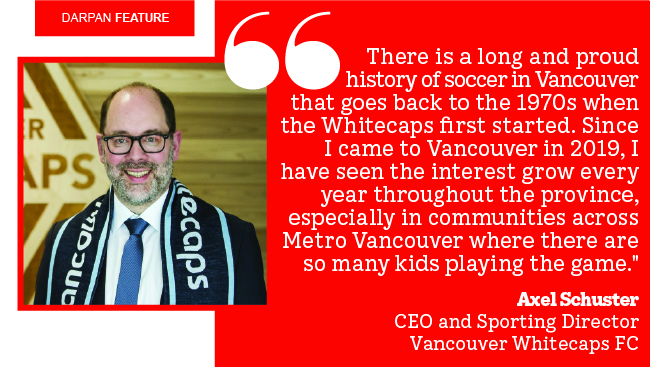
On the other hand, the benefits are overwhelmingly positive. The tournament is poised to bring economic uplift, tourism opportunities, and an unparalleled spotlight on Canada’s west coast. For the football community, it is a chance to grow the sport from the grassroots to the global stage. "There is a long and proud history of soccer in Vancouver that goes back to the 1970s when the Whitecaps first started. Since I came to Vancouver in 2019, I have seen the interest grow every year throughout the province, especially in communities across Metro Vancouver where there are so many kids playing the game.", says Schuster.
With Canada set to play two of their group-stage matches in Vancouver, the hometown pride is undeniable. Fans are preparing to cheer on their national team in what could be a historic tournament for Canadian football. Local businesses are expected to benefit from the surge in tourism and foot traffic, while community organizations are gearing up to ensure cultural representation and local voices are heard throughout the festivities.
Whether through the eyes of a young soccer fan seeing their first LIVE match or a local entrepreneur preparing for the influx of global visitors, the countdown to 2026 is on. The excitement is palpable, and the city’s vibrant diversity, love for the game, and community spirit are prepared to make a lasting impression. With every step closer to kickoff, anticipation builds for the matches, cultural celebrations, legacy opportunities, and unforgettable moments the World Cup will bring to the heart of beautiful British Columbia. Vancouver stands ready—not just to host, but to shine on the world stage!