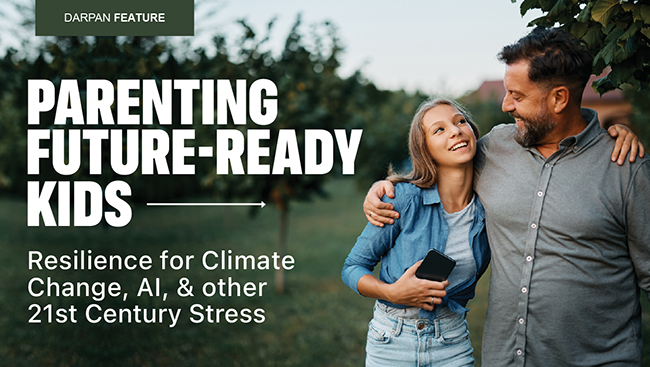
We have reached a critical juncture in parenting; the world feels like it’s on fire, and we don’t know how much of this we should share with our children. Whether it’s discussing war, politics, safe and ethical use of AI, or climate change, there is no shortage of topics for us to navigate with our children. So, where is the line? How do we differentiate between teaching our kids to be critical thinkers who are resilient in the face of adversity, while still allowing them to hold on to their innocence? Here are a few things to consider as we delve into these conversations:
Start With Self-Regulation
Most parents (myself included) spend a considerable amount of time doom-scrolling on Instagram, TikTok, or Facebook. We are inundated with bad news all the time, thanks to the constant news cycle available on social media. As a result, we don’t always have the capacity for such conversations with our kids. Don’t discuss climate change or politics without checking in with yourself first. Have you eaten? Are you distracted? Can you give this conversation the attention it deserves? If you don't, that's okay, save the discussion for another day. We can’t foster resilience in our children if we don’t model that behavior first. Resilience comes with being emotionally regulated enough to have these crucial discussions, and it’s important to know when you have the capacity and when you simply don’t.
You Don’t Need to Know Everything
As we navigate a changing world, parents often express discomfort around not knowing enough. How much do we know about climate change? Probably only what we read in the newspaper. Do we fully understand AI and the pros and cons of using smart technology? No, but we know ChatGPT is here to stay and changing our lives. When we feel overwhelmed by a constantly changing world, we can use it as an opportunity to learn with our children. Ask your child to research all the cons of AI while you research the pros, and then have a family discussion. Climate change might feel like too big a topic to tackle, so start taking your seven-year-old to the bottle depot to explain the importance of recycling. Start small, start where you are, and grow together. You don’t need to know everything, and your child needs to see you be curious.
Choose Activities that Assist Your Goals
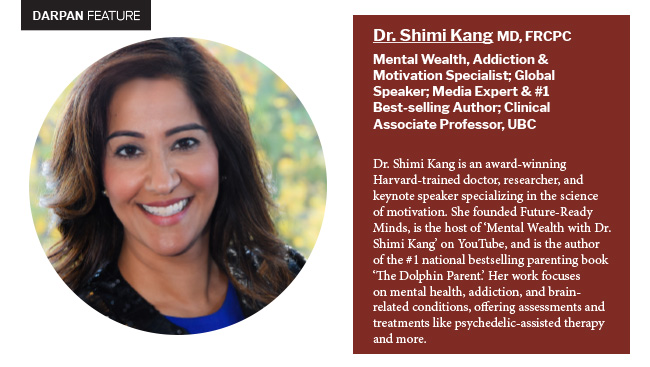
As you choose activities for your child, look for extracurriculars that align with your concerns and goals. One such program is Dr. Shimi Kang’s Future-Ready Minds Leadership Camps for ages 6-13-year-olds. Sending your child to Future Ready Minds camps helps them become strong and ready for today's fast-changing world. At camp, kids learn important life skills like managing feelings, solving problems, and working well with others. They practice emotional skills that help them handle stress and understand their feelings better. At Future-Ready Minds, campers explore technology safely, learning how to use it in healthy and balanced ways. Mistakes are seen as chances to learn and grow, helping children stay positive even when facing challenges. These important skills help kids grow into strong, capable, and resilient people who can succeed in school and life, no matter what challenges the 21st century brings.

Parenting is hard, and a constantly changing world doesn’t make things easier. However, if you’re reading this, then you’re already doing a great job!