Saturday, April 11, 2026
ADVT 
Feature

“Tere Bhane Sarbat da Bhala”: A Commitment to the Welfare of All

Daisy Bains Darpan, 09 Apr, 2026
  • “Tere Bhane Sarbat da Bhala”: A Commitment to the Welfare of All

As we enter the season of Vaisakhi, there lies a timeless principle that urges us to look beyond ourselves. At its core, Sarbat da Bhala (welfare of all) is more than just wishing well for others. It is an acknowledgement of our divine oneness and of the idea that by lifting others, we are, in turn, lifting ourselves.

From this perspective, praying for Sarbat da Bhala is not invoking a divine intervention, but rather asking for the strength to uplift ourselves and our communities. It is asking for the strength to act with integrity, compassion, and a deep dedication to the well-being of all.  
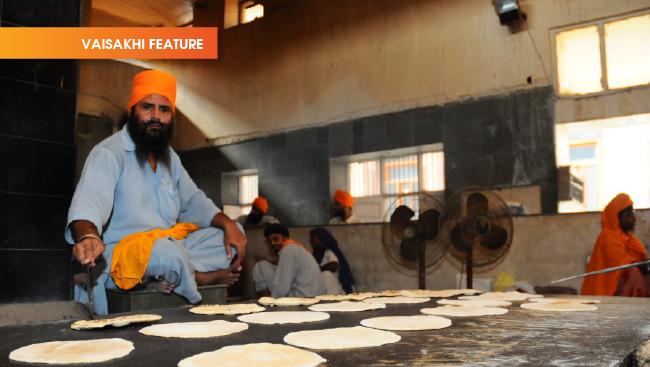
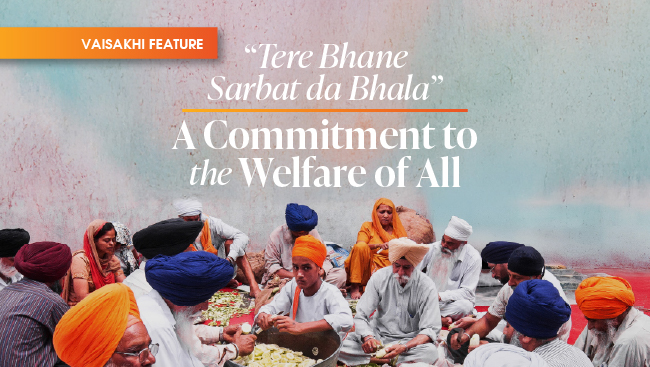
During this time of the year, we reflect on how Guru Gobind Singh Ji’s Khalsa embodies this very value. Guru Ji’s hukam (order) was to live for seva (selfless service), protect the oppressed, and uphold justice. More importantly, it was initiated as a collective responsibility, not just an individual one, which emphasizes our oneness. In order to uphold Sarbat da Bhala, we must seek the empathy to feel and the strength to act, as injustice to our neighbor is injustice to Khalsa; and in turn, should feel like injustice to us.  
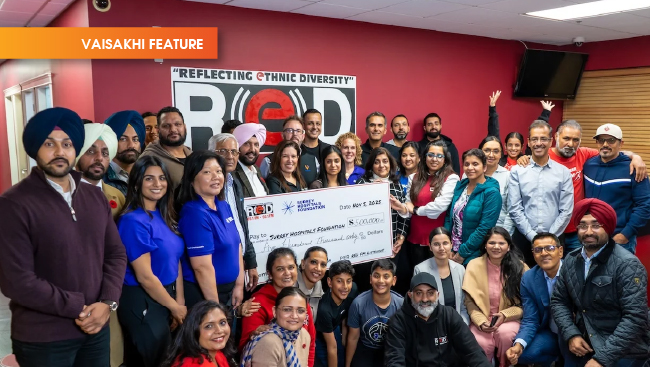
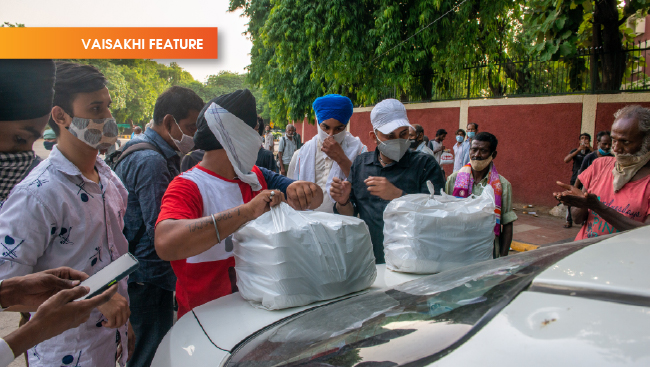
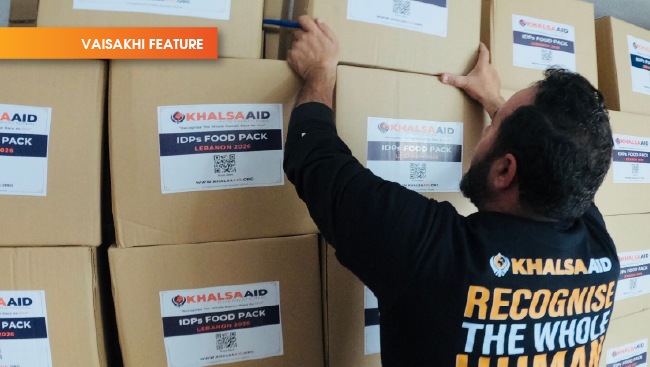
For myself, the idea of wellness is deeply personal. Time and time again, I have seen our global Sikh community stand together for seva. From Khalsa Aid to Global Sikhs, RedFM’s Gurpurab Radiothon to Guru Nanak’s Free Kitchen, and importantly, every Gurdwara that opens its door to anyone in need. It fills me with hope and deep inspiration.    
On this note, here’s what Gurbani says about Sarbat da Bhala: 

ਨਾ ਕੋ ਬੈਰੀ ਨਹੀ ਬਿਗਾਨਾ ਸਗਲ ਸੰਗਿ ਹਮ ਕਉ ਬਨਿ ਆਈ ॥੧॥ (Raag Kaanrhaa, Ang 1299) 

No one is my enemy, and no one is a stranger. I am at peace and united with everyone. ||1|| 
 
On the surface, this Vaak (line) from Guru Arjun Dev Ji represents the idea of unity and neighborliness. Looking deeper, it may suggest that inner peace can stem from external compassion; from recognizing that the well-being of others is inseparable from one’s own. In today’s world, this Shabad reminds us to act against discrimination and to see others through the lens of shared humanity. 

ਨਾਨਕ ਨਾਮ ਚੜ੍ਹਦੀ ਕਲਾ ਤੇਰੇ ਭਾਣੇ ਸਰਬਤ ਦਾ ਭਲਾ॥ (Sikh Ardaas) 

May the name, as revealed by Guru Nanak Dev Ji prevail and prosper, forever and ever, may thy will be done wherein lies the good of all. 

We recite this at the end of every Ardaas (daily prayer), often repeated, enough that we may overlook the deeper meaning of this powerful bachan (word). By remaining in Chardi Kala and accepting tera bhana (divine will), we are empowered to stay in ever-rising spirits, despite any situation. It asks not for the world to conform to our desire, yet the strength to show up within it. It asks of us to look beyond the lens of apne (our own), and care for those whom we may never meet. Furthermore, it pushes us to act in ways that reflect “wellness for all.” 
This Vaisakhi, let us live our prayers in action, transforming our ardaas (prayer) into strength for action, for Sarbat da Bhala. Let us uplift all and commit to wellness for everyone. 
 
Nanak Naam Chardi Kala Tere Bhane Sarbat da Bhala. 
MORE Feature ARTICLES

Sikh Women in History: Courage, Wisdom, and Spirit

Sikh Women in History: Courage, Wisdom, and Spirit

Since the foundation of Sikhism, Sikh women have stood as pillars of strength, spirituality, and service. At a time when many societies around the world relegated women to the background, Sikhism emphasized equality. Guru Nanak Dev Ji, the founder of the faith, openly challenged gender discrimination, asking, “Why call her bad, from whom kings are born?” This powerful foundation set the tone for the generations of Sikh women who would go on to shape history. 

Chardi Kala: Our Prescription for the Mind, Body, and Soul

Chardi Kala: Our Prescription for the Mind, Body, and Soul

Chardi Kala lives in all of us! It is a call to rise, serve, and live with joy, even through pain. In today’s world, nurturing this light isn’t just an aspirational virtue—it’s a responsibility we carry, both for ourselves and for future generations.

Panj Pyare: Guides, Leaders, and the Collective Voice of the Khalsa

Panj Pyare: Guides, Leaders, and the Collective Voice of the Khalsa

Guru Sahib then initiated the Amritpaan ceremony. Amrit was prepared in an iron bowl, filled with water and patasse (sugar crystals), and stirred with the khanda (the double-edged sword) while Gurbaani was being recited. Firstly, Amrit was administered from Guru Sahib to the Panj Pyare, then, astoundingly, from the Panj Pyare to Guru Sahib himself. In a revolutionary step, their last names, the indicators of caste and division, were scrapped and replaced with "Singh" and "Kaur.” Thus, the Khalsa, a casteless community of Amritdhari Gursikhs, was born. 

The Gift of Life: Organ Donation and the Power of Community

The Gift of Life: Organ Donation and the Power of Community

Every April, communities across Canada unite to raise awareness about the life-saving impact of organ and tissue donation, with National Organ and Tissue Donation Awareness Month at its core. It’s a time to spark vital conversations with loved ones about the lasting impact of donation. Fittingly, April also marks Sikh Heritage Month, offering a timely opportunity to explore the cultural and spiritual connections between Sikh values and the act of giving life.  

Raaj Karega Khalsa: 326th Anniversary of the Birth of Khalsa

Raaj Karega Khalsa: 326th Anniversary of the Birth of Khalsa

Globally, we will be celebrating the 326th birthday of the formation of the order of Khalsa this year. The word Khalsa originates from the word khalis, meaning pure. Khalsa is pure in thoughts, pure in action, and pure in commitment. 

The Five Ks of Sikhism

The Five Ks of Sikhism

As we honor the Sikh Heritage Month and prepare for Vaisakhi, it’s important to understand the significance of the five Ks of Sikhi. Initiated (Amritdhari) Sikhs commit to following the Sikh Code of Conduct, which includes daily meditation and wearing the five Sikh articles of faith, also known as the five Ks or panj kakaar, at all times. The 5 Ks date from the creation of the Khalsa Panth by Guru Gobind Singh in 1699. They are not only an external aspect of a Sikh's identity but also represent deep spiritual commitments. Initiated Sikhs regard them as a part of their body. The five Ks are as follows: