As we honor the Sikh Heritage Month and prepare for Vaisakhi, it’s important to understand the significance of the five Ks of Sikhi. Initiated (Amritdhari) Sikhs commit to following the Sikh Code of Conduct, which includes daily meditation and wearing the five Sikh articles of faith, also known as the five Ks or panj kakaar, at all times. The 5 Ks date from the creation of the Khalsa Panth by Guru Gobind Singh in 1699. They are not only an external aspect of a Sikh's identity but also represent deep spiritual commitments. Initiated Sikhs regard them as a part of their body. The five Ks are as follows:
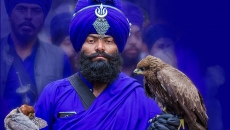
Kesh (Uncut Hair): Unshorn hair, known as kesh, symbolizes the acceptance of God’s will. Sikhs consider all body hair as a sacred gift from God. Initiated Sikhs keep their hair covered at all times with a Dastaar (turban or head-covering), which represents spiritual wisdom and equality. Maintaining uncut hair is a way of expressing love for God and serves as a visual reminder of His perfection.
Kanga (Wooden Comb): A kanga is a small wooden comb worn in uncut hair. The kanga promotes cleanliness and reflects the Sikh values of self-care and discipline. Sikhs comb their hair at least twice a day to keep it clean and tidy. Just as the wooden comb helps maintain cleanliness and removes dead hair, Gurbani, God’s hymn, purifies the mind and reminds Sikhs that human life is limited, much like the hair they shed.

Kara (Iron or Steel Bracelet): A kara is an iron or steel bracelet worn on a Sikh’s wrist and has many purposes. The kara acts as a reminder for Sikhs to practice righteousness and selfless service with their hands. The circular shape signifies there is no beginning or end of the Creator. The kara should be made of iron, as it is a strong, inexpensive, and accessible metal for all. If a Sikh is allergic to iron, a steel kara can be worn. A kara should not be made of gold or silver, as these metals are not strong and are considered ornaments rather than serving the true purpose intended for the kara.

Kachera (Cotton Undergarment): A kachera is a cotton undergarment that symbolizes chastity, discipline, and self-control. The kachera assists in regulating body temperature and reminds Sikhs to control lust, one of the five evils in Sikhi.

Kirpan (Miniature Sword): The kirpan is a significant article of faith that looks like a miniature sword. The word kirpan means grace and honor and signifies the Sikh’s duty to stand up against injustice. It symbolizes bravery and protection of the weak and innocent. Initiated Sikhs wear the kirpan sheathed and restrained in a cloth belt called a gatra. The kirpan should not be regarded as just a sword because Sikhs who wear the kirpan have a spiritual responsibility to abide by the Sikh values of justice, protection, and compassion.

These five sacred articles of faith stand as powerful reminders of a Sikh’s commitment to justice, righteousness, compassion, and selfless service. By embracing the five Ks, Sikhs honor and carry forward Guru Gobind Singh Ji’s legacy with unwavering devotion.