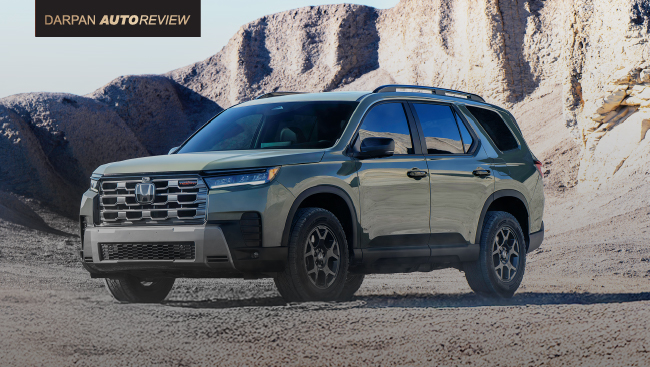
: More and more vehicles will be run top to bottom by software, not hardware. In some cases, the future is already here. What will it be like for shoppers when vehicles are dominated by bits and bytes instead of gears and gaskets? Edmunds’ experts break down what’s in store.
Edmunds came up with six winners for best car, SUV, truck and the electric versions of each. Some vehicles are repeat winners while others are new champions. We’ve listed the vehicles below, sorted by vehicle type. All prices include destination charges.
CES (formerly known as the Consumer Electronics Show) in Las Vegas tends to showcase vehicles and technology that are further out than one might find at a traditional auto show. Edmunds attended this year and reports on the most notable vehicles and what new technology car shoppers might see in the coming years.
Six of the nine finalists were powered by batteries, and analysts say the more of the awards are likely to go to electric vehicles in the future as the industry spends billions to roll out multiple new EV models.
Electric vehicles, or EVs for short, have been the hot car commodity for 2022. But many prospective buyers have questions and reservations about this new technology. With this in mind, here are answers to the top questions that EV shoppers at Edmunds want to know before deciding on a purchase.
The Lexus RX 350 has consistently been one of the best-selling midsize SUVs and a leading model for the Lexus brand. So when a new RX is released, there’s understandably a lot of interest from SUV shoppers. The redesigned 2023 RX 350 gets a new engine, improved technology and a more luxurious interior.