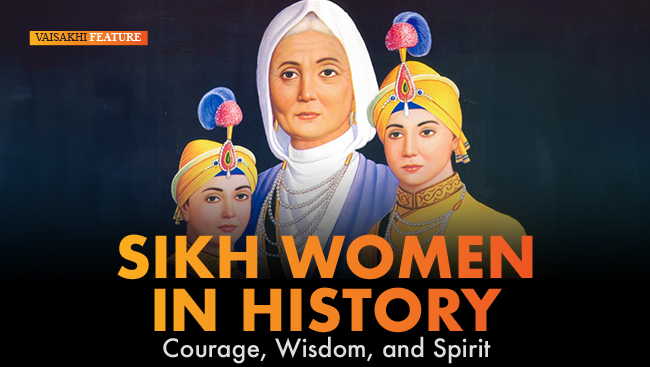
Since the foundation of Sikhism, Sikh women have stood as pillars of strength, spirituality, and service. At a time when many societies around the world relegated women to the background, Sikhism emphasized equality. Guru Nanak Dev Ji, the founder of the faith, openly challenged gender discrimination, asking, “Why call her bad, from whom kings are born?” This powerful foundation set the tone for the generations of Sikh women who would go on to shape history.
Bibi Nanaki: The First Believer
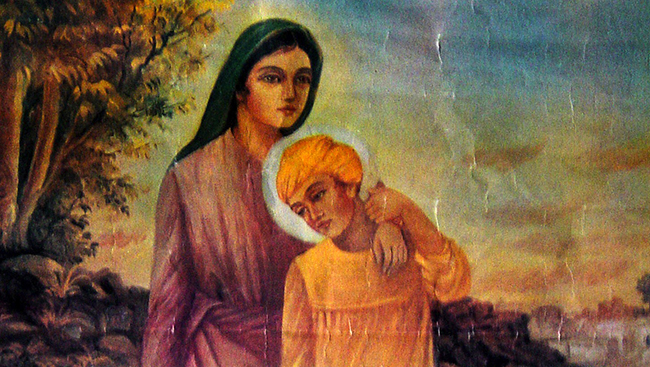
The story of Sikhism begins with a woman, Guru Nanak Dev Ji’s older sister, Bibi Nanaki. She was not only his sibling but also the first to recognize his spiritual greatness. Her unwavering support allowed Guru Nanak Dev Ji to begin his mission with confidence and purpose. Bibi Nanaki’s role is a reminder that behind every great leader, there can be quiet, powerful supporters who help shape history in their own way.
Mata Khivi: The Force Behind Langar
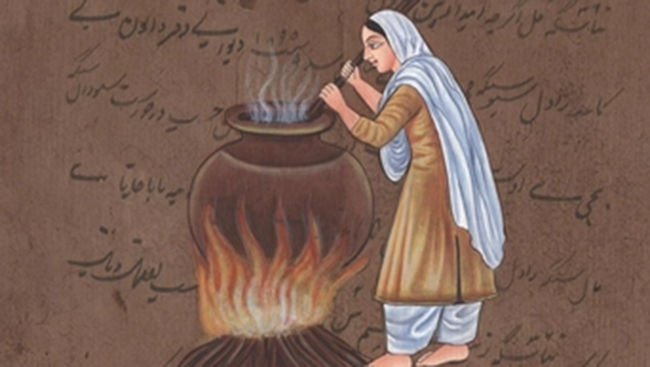
The tradition of langar, or the free community kitchen, is central to Sikh identity. While many associate this practice with the Gurus, it was Mata Khivi, wife of Guru Angad Dev Ji, who played a key role in establishing and expanding this beautiful tradition. Known for her compassion and dedication, she ensured that no one who came to the Guru’s court ever left hungry. Her commitment to equality, service, and nourishment helped lay the foundation for seva, selfless service, as a core Sikh value.
Mata Bhani: A Bridge Between Three Gurus
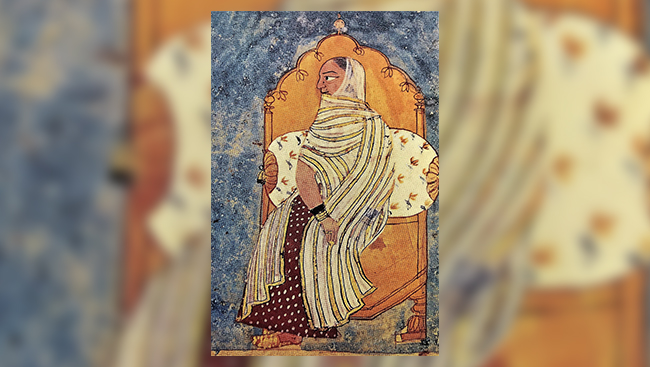
Mata Bhani, daughter of Guru Amar Das Ji, holds a special place in Sikh history as the wife of Guru Ram Das Ji and mother of Guru Arjan Dev Ji. Deeply devoted to the Sikh faith, she supported its growth from within the household. One story tells how she noticed Guru Amar Das Ji meditating on an unstable seat and silently held it steady with her bare hands, causing her palms to bleed. Touched by her devotion, the Guru blessed her, declaring her offspring would inherit the Guruship.
Mai Bhago: The Warrior Saint
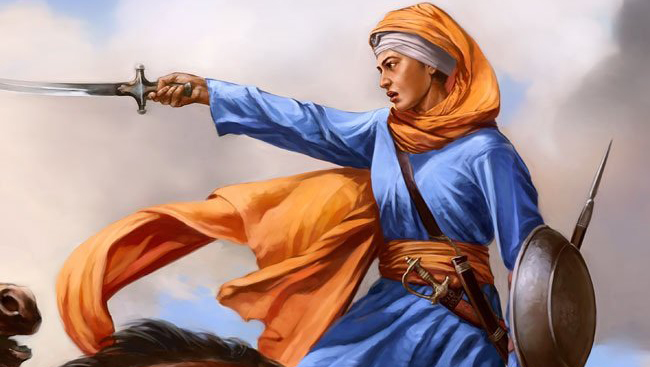
Mai Bhago is one of the most iconic women in Sikh history: a fearless warrior and spiritual guide during Guru Gobind Singh Ji’s time. When 40 soldiers, known as the Chali Mukte, abandoned their duties in battle, she confronted them with fierce conviction and rallied them back into action. Her leadership was so powerful that Guru Gobind Singh Ji, with just those 40 warriors by his side, went on to face an army of 10 lakh Mughal soldiers. Her legacy remains a powerful reminder of Sikh women’s resilience, valor, and unwavering commitment to justice and faith.
Mata Gujri: The Silent Pillar of Strength
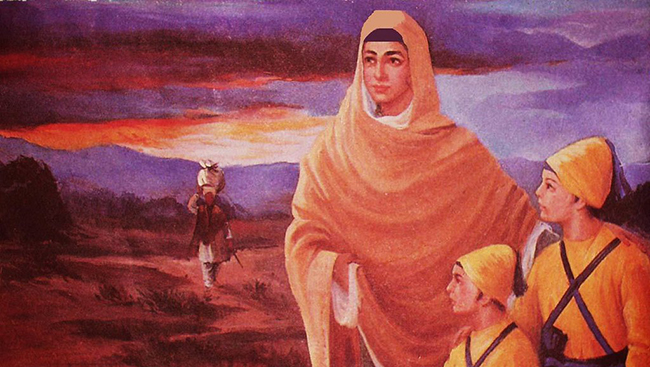
Mata Gujri, wife of Guru Tegh Bahadur Ji and mother of Guru Gobind Singh Ji, is remembered for her quiet strength and deep spiritual conviction. After her husband’s martyrdom, she raised Guru Gobind Singh Ji with steadfast guidance. In her final days, she was imprisoned in freezing conditions with her younger grandson in Sirhind. Despite the hardship, she remained composed and unwavering in faith, inspiring her grandsons to stand bravely against tyranny. Mata Gujri stands alone in Sikh history as the only woman whose husband, son, and grandsons all became martyrs for the faith.
Mata Sahib Kaur: The Mother of Khalsa
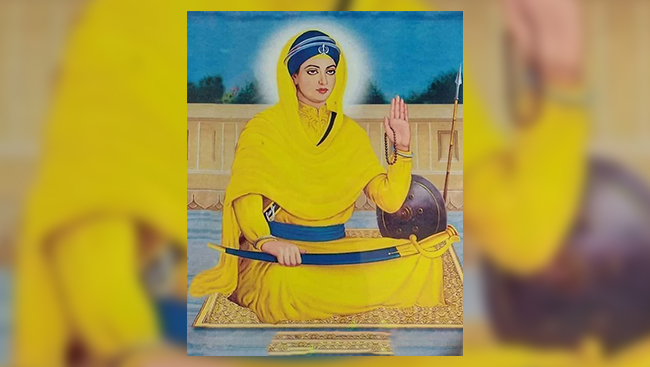
Mata Sahib Kaur holds a revered place in Sikh history as the spiritual mother of the Khalsa. Guru Gobind Singh Ji bestowed upon her the eternal title of "Mother of the Khalsa" during the creation of the Khalsa Panth in 1699. It was Mata Sahib Kaur who added sugar crystals, patasas, to the holy nectar, Amrit, symbolizing compassion and grace alongside courage and discipline.
Maharani Jind Kaur: The Last Queen of Punjab
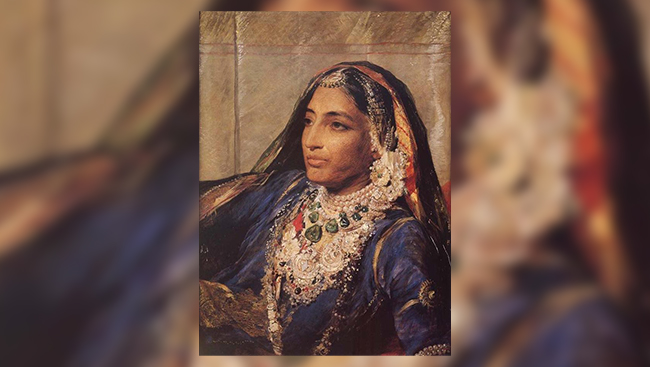
Maharani Jind Kaur, widow of Maharaja Ranjit Singh, was a fearless leader and one of the last reigning figures of the Sikh Empire. As regent to her young son Duleep Singh, she fiercely defended Punjab’s sovereignty during British expansion. In a tragic turn, the British took her young son from her and exiled her from the kingdom. Though imprisoned, she escaped custody, rallied allies, and made tireless efforts to reunite with Duleep Singh and restore the Sikh Empire. While her mission was ultimately unsuccessful, her sharp political acumen, unbreakable spirit, and refusal to be silenced by colonial forces cement her legacy as a queen, mother, and freedom fighter.
Whether by standing on the front lines of battle, feeding the hungry, raising strong families, or advocating for justice, Sikh women have always shown what it means to live with courage, compassion, and conviction. As conversations about women’s rights and representation continue globally, the stories of female figures of the past remind us that equality isn't just a modern ideal, but it has long been a part of spiritual wisdom. Honoring inspirational women in history is more than just remembering names; it’s about recognizing that history has always included strong female voices, and the future must continue to uplift them.