Tuesday, December 23, 2025
ADVT 
Health

A Little Vigorous Exercise Can Help You Live Longer

Darpan News Desk IANS, 07 Apr, 2015 11:10 AM
  • A Little Vigorous Exercise Can Help You Live Longer
If you are planning to join the gym for years and always scheduling your early morning jogging for tomorrow, make up your mind fast as a large study has found that even small amounts of vigorous activity could help reduce your risk of early death.
 
Physical activity that makes you puff and sweat is key to avoiding preventable early death, the findings of the large Australian study of middle-aged and older adults showed.
 
"The benefits of vigorous activity applied to men and women of all ages, and were independent of the total amount of time being spent active," said lead author Klaus Gebel from James Cook University in Queensland, Australia.
 
"The results indicate that whether or not you are obese, and whether or not you have heart disease or diabetes, if you can manage some vigorous activity it could offer significant benefits for longevity," Gebel noted.
 
For the study, the researchers followed 204,542 people for more than six years, and compared those who engaged in only moderate activity (such as gentle swimming, social tennis, or household chores) with those who included at least some vigorous activity (such as jogging, aerobics or competitive tennis).
 
The study classified participants into separate groups: those who reported that none of their physical activity was at a vigorous level, and those who reported that up to 30 percent or more of their activity was at a vigorous level.
 
The mortality rate for those who reported upto 30 per cent vigorous activity, was nine per cent lower than those who reported no vigorous activity.
 
For those whose exercise routine was vigorous for more than 30 percent of the time, the rate of mortality was reduced by 13 percent.
 
The findings appeared in the journal JAMA Internal Medicine.
MORE Health ARTICLES

Autism risk higher among kids with parents in technical jobs

Autism risk higher among kids with parents in technical jobs
Children of parents who are in technical occupations are more likely to have an autism spectrum disorder (ASD) and a more serious form of autism, a study suggested.

Autism risk higher among kids with parents in technical jobs

Antarctic ice sheet collapse has begun, shows research

Antarctic ice sheet collapse has begun, shows research
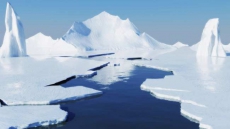
In an alarming find, scientists have discovered that the collapse of West Antarctic ice sheet - that holds enough water to raise global seas by several feet - has already begun.

Antarctic ice sheet collapse has begun, shows research

Now, a virtual pet to help obese kids lose weight

Now, a virtual pet to help obese kids lose weight
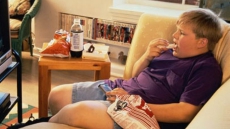
If your kids are gaining weight because they spend more time indoor playing video games instead of playing outdoor, you may soon turn technology on its head - all thanks to a virtual pet designed to induce kids to physical activities.

Now, a virtual pet to help obese kids lose weight

Eldest among siblings? Check if you are more conservative

Eldest among siblings? Check if you are more conservative
If you are the eldest among all your siblings, chances are that you would be averse to change and prefer conformity than those who follow you in the family, a study said.

Eldest among siblings? Check if you are more conservative

State Goes Missing in Healthcare in India; 70 Percent is Private

State Goes Missing in Healthcare in India; 70 Percent is Private
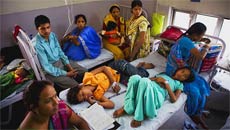
More than 70 percent of healthcare in India is provided by corporate houses as a result of which poor people are not able to afford the high cost of medical care provided by private hospitals, health experts have said.

State Goes Missing in Healthcare in India; 70 Percent is Private

Canadians top drinkers, Indians not far behind: WHO

Canadians top drinkers, Indians not far behind: WHO
In a latest survey released by the WHO, Canadians are drinking more alcohol than most of the rest of the world - followed by Americans

Canadians top drinkers, Indians not far behind: WHO