Thursday, December 25, 2025
ADVT 
Health

A Little Vigorous Exercise Can Help You Live Longer

Darpan News Desk IANS, 07 Apr, 2015 11:10 AM
  • A Little Vigorous Exercise Can Help You Live Longer
If you are planning to join the gym for years and always scheduling your early morning jogging for tomorrow, make up your mind fast as a large study has found that even small amounts of vigorous activity could help reduce your risk of early death.
 
Physical activity that makes you puff and sweat is key to avoiding preventable early death, the findings of the large Australian study of middle-aged and older adults showed.
 
"The benefits of vigorous activity applied to men and women of all ages, and were independent of the total amount of time being spent active," said lead author Klaus Gebel from James Cook University in Queensland, Australia.
 
"The results indicate that whether or not you are obese, and whether or not you have heart disease or diabetes, if you can manage some vigorous activity it could offer significant benefits for longevity," Gebel noted.
 
For the study, the researchers followed 204,542 people for more than six years, and compared those who engaged in only moderate activity (such as gentle swimming, social tennis, or household chores) with those who included at least some vigorous activity (such as jogging, aerobics or competitive tennis).
 
The study classified participants into separate groups: those who reported that none of their physical activity was at a vigorous level, and those who reported that up to 30 percent or more of their activity was at a vigorous level.
 
The mortality rate for those who reported upto 30 per cent vigorous activity, was nine per cent lower than those who reported no vigorous activity.
 
For those whose exercise routine was vigorous for more than 30 percent of the time, the rate of mortality was reduced by 13 percent.
 
The findings appeared in the journal JAMA Internal Medicine.
MORE Health ARTICLES

Fly's genome study offers hope for sleeping sickness

Fly's genome study offers hope for sleeping sickness
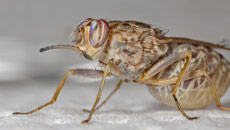
With genome decoding of tsetse fly that causes the potentially fatal sleeping sickness disease, scientists have discovered new clues to the diet, vision and reproductive strategies of the insect.

Fly's genome study offers hope for sleeping sickness

Technology to catch dozing drivers on the go

Technology to catch dozing drivers on the go
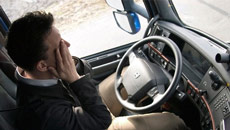
Long rides at night can now become a lot more pleasant and safe if you listen to researchers who have developed an inexpensive and easier way to find out when the person behind the wheel is about to nod off.

Technology to catch dozing drivers on the go

Astronauts may face attention deficit risks

Astronauts may face attention deficit risks
Astronauts who are radiation-sensitive need to take extra care to protect their brains as they may face risks of attention deficit and slower reaction times, a study suggests.

Astronauts may face attention deficit risks

Befriend a cyber buddy to stay motivated

Befriend a cyber buddy to stay motivated
Although a human partner is a better motivator during exercise, a software-generated cyber partner can also be effective in making you work a little extra, research reveals.

Befriend a cyber buddy to stay motivated

New method to treat cocaine addiction effectively

New method to treat cocaine addiction effectively
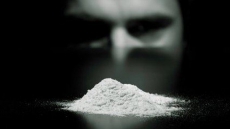
There is hardly any effective medications for cocaine addiction, but researchers have now discovered a new compound that can halt cocaine addiction, raising hope for new treatment for drug addicts.

New method to treat cocaine addiction effectively

How bariatric surgery can help control diabetes

How bariatric surgery can help control diabetes
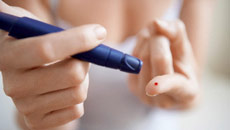
That bariatric surgery, or obesity surgery, leads to weight loss is well known, but researchers have now identified the mechanism why obesity surgery also leave positive effects on diabetes and heart diseases.

How bariatric surgery can help control diabetes