Wednesday, May 27, 2026
ADVT 
Health

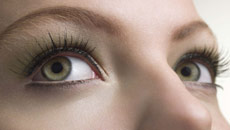
Aging in eye can predict kidney failure risk, finds study

Darpan News Desk IANS, 06 Dec, 2022 01:28 PM
  • Aging in eye can predict kidney failure risk, finds study

Every one-year increase in retinal age has now been linked with a 10 per cent higher risk of incident kidney failure over 11 years of follow-up, a UK study involving 35,864 residents has revealed.

The one-year increase in retinal age was assessed by retinal microvasculature changes, according to the study published in the Peer-reviewed American Journal of Kidney Diseases (AJKD).

"There is a pressing need to identify early predictive biomarkers of kidney failure, given its associated substantial morbidity and mortality. Ageing biomarkers have been associated with kidney failure but their clinical application has been challenging," the researchers reported.

The incidence of end stage kidney disease (ESKD) is known to increase with age.

"We have previously developed and validated retinal age based on fundus images used as a biomarker of ageing. However, the association of retinal age with ESKD is not clear. We investigated the association of the difference between retinal age and chronological age, the retinal age gap, and the future risk of ESKD," said researchers.

In the study, retinal age gap (retina-predicted age minus chronological age), a clinically validated and artificial intelligence powered ageing biomarker based on retinal imaging, was associated with the future risk of kidney failure among UK residents.

This non-invasive and ageing biomarker may hold promise to assist in the identification of people at elevated risk for kidney failure, said the researchers.

Photo courtesy of IStock. 

MORE Health ARTICLES

Did You Know: Nearly 1,700 US teens turn mothers per week

Did You Know: Nearly 1,700 US teens turn mothers per week
Births to younger teens aged between 15 and 17 have declined over the past 20 years in the US, but still account for about a quarter of teen births, or nearly 1,700 births a week, a report by the US Centers for Disease Control and Prevention (CDC) has revealed.

Did You Know: Nearly 1,700 US teens turn mothers per week

Soon, trees to deliver high-power storage devices

Soon, trees to deliver high-power storage devices
In a major breakthrough, scientists have found a novel way to make high-tech energy storage devices from your neighbourhood tree.

Soon, trees to deliver high-power storage devices

Revealed: How Chinese have faster eye movement

Revealed: How Chinese have faster eye movement
Ever wondered how quickly Chinese people move their eyes? It has nothing to do with the neurological behaviour or culture in people of Chinese origin.

Revealed: How Chinese have faster eye movement

Decoded: How You Decide Who Is More Popular

Decoded: How You Decide Who Is More Popular
Your brain knows for sure who attracts more eyeballs in your own circle as a new research has found how our brains recognise popular people. People track popularity largely through the brain region involved in anticipating rewards.

Decoded: How You Decide Who Is More Popular

How watching movies synchronises viewers' brains

How watching movies synchronises viewers' brains
Do you know that while watching a movie, your brain reacts to it immediately in a way similar to other people's brains? Researchers have succeeded in developing a method fast enough to observe immediate changes in the function of the brain even when watching a movie. 

How watching movies synchronises viewers' brains

Twitter, Facebook driving couples to break relationships!

Twitter, Facebook driving couples to break relationships!
Arguments over social media platforms among romantic partners are damaging relationships, ending in negative outcomes like emotional and physical cheating, breakup and divorce, a significant research reveals.

Twitter, Facebook driving couples to break relationships!