Wednesday, December 24, 2025
ADVT 
Health

Artificial Light At Night Can Make You Feel Sick

Darpan News Desk IANS, 19 Mar, 2015 01:55 PM
    Over-exposure to artificial light at night has serious long-term health implications like tendency to breast cancer, obesity, diabetes, depression, and possibly other forms of cancer, says a new study.
     
    "It's a new analysis and synthesis of what we know up to now on the effect of lighting on our health," said Richard Stevens University of Connecticut, Farmington (Uconn).
     
    "We don't know for certain, but there's growing evidence that the long-term implications of this have ties to breast cancer, obesity, diabetes, depression, and possibly other form of cancers," he said.
     
    Inadequate exposure to natural light during the day and overexposure to artificial light at night is not conducive to the body's natural sleep/wake cycle.
     
    Stevens and co-author Yong Zhu from Yale University explained the known short-term and suspected long-term impacts of circadian disruption in an article published in the British journal Philosophical Transactions of the Royal Society B.
     
    "It's become clear that typical lighting is affecting our physiology," said Stevens.
     
    "But lighting can be improved. We're learning that better lighting can reduce these physiological effects. By that we mean dimmer and longer wavelengths in the evening, and avoiding the bright blue of e-readers, tablets and smart phones," he added.
     
    Those devices emit enough blue light when used in the evening to suppress the sleep-inducing hormone melatonin and disrupt the body's circadian rhythm, the biological mechanism that enables restful sleep.

    MORE Health ARTICLES

    Ladies! Postpone motherhood to live long!

    Ladies! Postpone motherhood to live long!
    Career women who postpone motherhood have reason to cheer as researchers have found that women who have babies later in life are likely to live longer.

    Ladies! Postpone motherhood to live long!

    Poor sleep may affect brain function as you age

    Poor sleep may affect brain function as you age
    Sleep problems are associated with worse memory and executive functions in older people, says a study.

    Poor sleep may affect brain function as you age

    Believe it or not, It's now illegal in some places to be an annoying person

    Believe it or not, It's now illegal in some places to be an annoying person
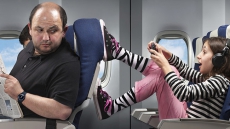
    Every day, I spring out of bed at six in the morning intending to spread sweetness and light all day. And then the idiots happen.

    Believe it or not, It's now illegal in some places to be an annoying person

    Indoor tanning ups skin cancer risk

    Indoor tanning ups skin cancer risk
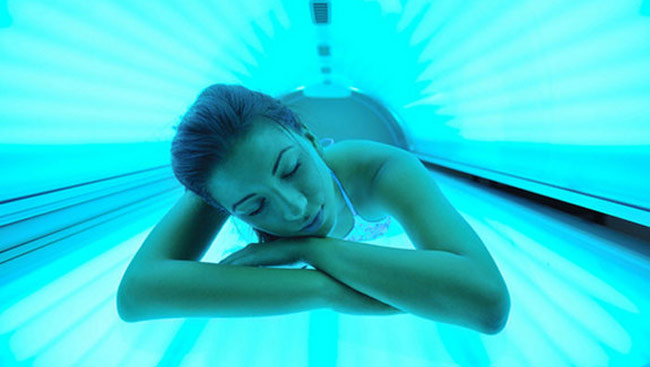
    The ultraviolet (UV) radiation lamps used for indoor tanning put adolescents and young adults at risk for basal cell carcinomas (BCC), the most common form of skin cancer, says a study.

    Indoor tanning ups skin cancer risk

    Midwifery matters more than we realise

    Midwifery matters more than we realise
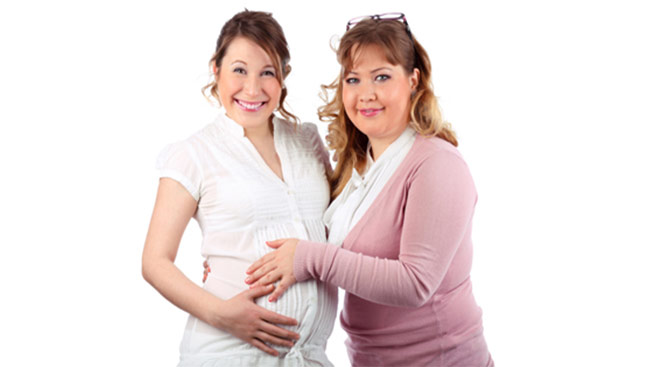
    Experts have urged global leaders through a series in a science journal to recognise midwifery's potential to save the lives of women and infants worldwide.

    Midwifery matters more than we realise

    Anti-depressants during pregnancy up obesity, diabetes risk in kids

    Anti-depressants during pregnancy up obesity, diabetes risk in kids
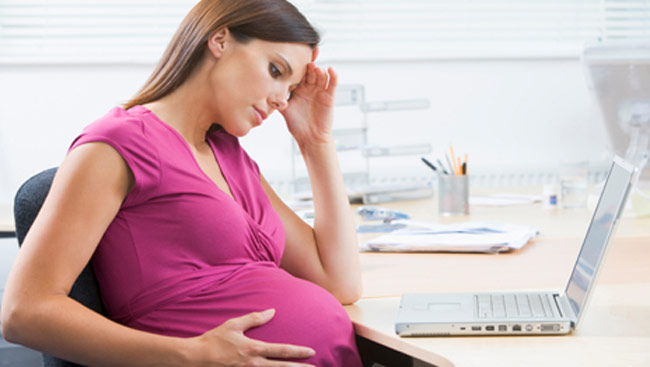
    Pregnant women are particularly vulnerable to depression, but women who take anti-depressants during pregnancy may be predisposing their infants to Type 2 diabetes and obesity later in life, says a study.

    Anti-depressants during pregnancy up obesity, diabetes risk in kids