Friday, December 26, 2025
ADVT 
Health

Aspirin may prevent cancer in elderly

Darpan News Desk IANS, 06 Aug, 2014 07:40 AM
    Taking aspirin can significantly reduce the risk of developing - and dying from cancers of the digestive tract, new research has found.
     
    Taking aspirin for 10 years could cut bowel cancer cases by around 35 percent and deaths by 40 percent, while rates of oesophageal and stomach cancers were cut by 30 percent and deaths from these cancers by 35-50 percent are some of the conclusions.
     
    "While there are some side effects that can't be ignored, taking aspirin daily looks to be the most important thing we can do to reduce chances of cancer after stopping smoking and reducing obesity," stressed lead researcher Jack Cuzick, head of Queen Mary University of London's (QMUL) Centre for Cancer Prevention.
     
    The study shows that if people aged between 50-65 started taking aspirin daily for at least 10 years, there would be a nine percent reduction in the number of cancers, strokes and heart attacks overall in men and around seven percent in women.
     
    To reap the benefits of aspirin, people need to start taking a daily dose of 75-100 mg for at least five years and probably 10 years between ages 50 and 65.
     
    No benefit was seen while taking aspirin for the first three years, and death rates were only reduced after five years, the study noted.
     
    However, the research also warns taking aspirin long-term increases the risk of bleeding from the digestive tract.
     
    Among 60-year-old individuals who take daily aspirin for 10 years, the risk of digestive tract bleeds increases from 2.2 percent to 3.6 percent.
     
    This could be life-threatening in a very small proportion (less than 5 percent) of people, researchers claimed.
     
    After reviewing many studies and clinical trials assessing both the benefits and harms of preventive use of aspirin, researchers reached this conclusion, the study, published in the leading cancer journal Annals of Oncology, noted.

    MORE Health ARTICLES

    New drug ring inside vagina may prevent HIV

    New drug ring inside vagina may prevent HIV
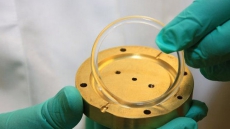
    A novel intravaginal ring implanted with anti-retroviral drug tablets, or pods, maintained steady state drug levels in the vaginal tissues, the key anatomic compartment for preventing sexual HIV transmission, says a study.

    New drug ring inside vagina may prevent HIV

    Sexting linked to risky sexual behaviour among kids

    Sexting linked to risky sexual behaviour among kids
    Parents may wish to openly monitor cell phones of their kids, and check what types of messages they are receiving as researchers have found that kids who receive sexually suggestive text or photo - sexts - are likely to have had sex.

    Sexting linked to risky sexual behaviour among kids

    IVF: Quality of sperm, not donors' age matters

    IVF: Quality of sperm, not donors' age matters
    It is the sperm quality of the donor and not his age that matters in the success of fertility treatment with sperm donation, a study says.

    IVF: Quality of sperm, not donors' age matters

    What? Violent video games promote good behaviour in real life!

    What? Violent video games promote good behaviour in real life!
    Here comes a shocker. Contrary to popular perception that playing violent video games makes people aggressive, a new study says playing such games may actually lead to increased moral sensitivity and pro-social behaviour in real life.

    What? Violent video games promote good behaviour in real life!

    Ladies! Postpone motherhood to live long!

    Ladies! Postpone motherhood to live long!
    Career women who postpone motherhood have reason to cheer as researchers have found that women who have babies later in life are likely to live longer.

    Ladies! Postpone motherhood to live long!

    Poor sleep may affect brain function as you age

    Poor sleep may affect brain function as you age
    Sleep problems are associated with worse memory and executive functions in older people, says a study.

    Poor sleep may affect brain function as you age