Sunday, December 21, 2025
ADVT 
Health

Beware! High-fat Diet Can Alter Your Behaviour

Darpan News Desk IANS, 27 Mar, 2015 11:19 AM
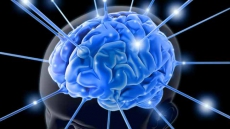
    High-fat diet can affect brain health and promote changes in your behaviour, including increased anxiety, impaired memory, and repetitive behaviour, warns a new study.
     
    The findings published in the journal Biological Psychiatry suggest that even those who are not obese should avoid fatty foods to stave of diet-induced psychiatric disorders.
     
    High-fat diet produces changes in health and behaviour, in part, by changing the mix of bacteria in the gut, also known as the gut microbiome, the researchers noted.
     
    "This paper suggests that high-fat diets impair brain health, in part, by disrupting the symbiotic relationship between humans and the microorganisms that occupy our gastrointestinal tracks," commented John Krystal, editor of Biological Psychiatry.
     
    The human microbiome consists of trillions of microorganisms, many of which reside in the intestinal tract.
     
    The researchers at the Louisiana State University in the US tested whether an obesity-related microbiome alters behaviour and cognition even in the absence of obesity.
     
    Non-obese adult mice were conventionally housed and maintained on a normal diet, but received a transplant of gut microbiota from donor mice that had been fed either a high-fat diet or control diet.
     
    The recipient mice were then evaluated for changes in behaviour and cognition.
     
    The animals who received the microbiota shaped by a high-fat diet showed multiple disruptions in behaviour, including increased anxiety, impaired memory, and repetitive behaviours.
     
    Further, they showed many detrimental effects in the body, including increased intestinal permeability and markers of inflammation.
     
    Signs of inflammation in the brain were also evident and may have contributed to the behavioural changes, the researchers noted.
     
    These findings provide evidence that diet-induced changes to the gut microbiome are sufficient to alter brain function even in the absence of obesity.

    MORE Health ARTICLES

    Anti-depressants during pregnancy up obesity, diabetes risk in kids

    Anti-depressants during pregnancy up obesity, diabetes risk in kids
    Pregnant women are particularly vulnerable to depression, but women who take anti-depressants during pregnancy may be predisposing their infants to Type 2 diabetes and obesity later in life, says a study.

    Anti-depressants during pregnancy up obesity, diabetes risk in kids

    Simple blood tests can save hepatitis patients

    Simple blood tests can save hepatitis patients
    Blood tests can save more than 80 percent hepatitis C patients and over 60 percent hepatitis B patients when combined with proper prevention and treatment, say experts.

    Simple blood tests can save hepatitis patients

    Strong parental bonds make kids smart

    Strong parental bonds make kids smart
    Sharing a strong bond with your kids is vital for them to socialise, make friends and enjoy positive, close relationships with others, a study shows.

    Strong parental bonds make kids smart

    Natural beauty favoured by most but how natural is it?

    Natural beauty favoured by most but how natural is it?
    Almost three quarters of men say they find women more attractive when they wear less makeup; however what they think is the natural look is more likely to take hours of effort and plenty of special makeup tricks, says a research.

    Natural beauty favoured by most but how natural is it?

    Menthol cigarettes lure teenagers to smoke more: Study

    Menthol cigarettes lure teenagers to smoke more: Study
    Flavoured cigarettes appeal the youth and teenagers, who use menthol cigarettes, more per day than their peers who smoke non-menthols, says a study.

    Menthol cigarettes lure teenagers to smoke more: Study

    Tap brain's self-repairing mechanism to fight diseases

    Tap brain's self-repairing mechanism to fight diseases
    Forget drugs and neurogenesis, the self-repairing mechanism of the adult brain can help preserve brain function and can be targeted as a potential therapeutic intervention in neurodegenerative diseases such as Alzheimer's, Prion or Parkinson's, says a study.

    Tap brain's self-repairing mechanism to fight diseases