Monday, December 29, 2025
ADVT 
Health

Blood vessel protein could help treat prostate tumours: Study

Darpan News Desk IANS, 11 Nov, 2014 09:37 AM
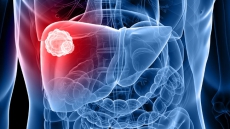
    A signal protein, that plays a crucial role in controlling the growth of blood vessels, could be used to suppress tumours in prostate cancer, according to a new study published in the British academic journal Oncogene.
     
    The discovery by British researchers from Bristol University and Nottingham University could be used to develop new drugs to improve the long-term management and prognosis for prostate cancer patients, Xinhua reported citing the study that was released Monday.
     
    The research centres on the role in the body of the signal protein, vascular endothelial growth factor (VEGF) which comes in two forms -- pro-angiogenic, which encourages the growth of blood vessels, and anti-angiogenic, which inhibits vascular growth.
     
    According to researchers, in prostate cancer the cancer cells produce pro-angiogenic VEGF to form the new blood vessels that are needed to carry vital nutrients and oxygen to tumours.
     
    As a result, they developed a compound called Sphinx, which can switch the production of VEGF from the pro-angiogenic form to the anti-angiogenic form to block the formation of new blood vessels, and cause the tumours to starve themselves, preventing the growth and spread of the cancer.
     
    Researchers demonstrate that the new chemical could be used successfully to switch the forms of VEGF in mice in the laboratory and prevent tumour growth with very few side effects when given three times weekly by injections.
     
    "This work opens up a new avenue for drug development for prostate cancer," David Bates from Nottingham University said. "This is a new target, and we believe we will be able to make drugs that hit this target in those patients that can benefit, with prostate cancer, and potentially other cancers too," he added.

    MORE Health ARTICLES

    Fish oil may save alcoholics from brain damage

    Fish oil may save alcoholics from brain damage
    Omega-3 fish oil could save the brain from alcohol-related damage and dementia by up to 90 percent, a new study says...

    Fish oil may save alcoholics from brain damage

    Are we gulping down plastic with sea food?

    Are we gulping down plastic with sea food?
    According to an alarming study by University of Exeter, tiny plastic particles polluting our seas are entering the bodies of marine creatures through their gills....

    Are we gulping down plastic with sea food?

    Cinnamon can prevent food poisoning

    Cinnamon can prevent food poisoning
    Cinnamon can not only tickle your taste buds, the ancient cooking spice is also an effective anti-bacterial agent and can help prevent some of the most serious food-borne...

    Cinnamon can prevent food poisoning

    Probiotics help reduce fat in liver

    Probiotics help reduce fat in liver
    For people suffering from non-alcoholic fatty liver disease, eating probiotics for a month can help diminish the accumulation of fat in the liver...

    Probiotics help reduce fat in liver

    Now, cancer vaccine from cat poop parasite

    Now, cancer vaccine from cat poop parasite
    You may soon look at cat poop in a different light as it may hold the key to cancer cure.

    Now, cancer vaccine from cat poop parasite

    Gene that mediates ageing identified

    Gene that mediates ageing identified
    In what could point towards the possibility of one day using therapeutics to combat ageing, researchers have found in animal models that a single gene plays a surprising role in ageing that can be detected early in development.

    Gene that mediates ageing identified