Saturday, December 27, 2025
ADVT 
Health

Breastfeeding Can Reduce Behavioural Disorders In Children: Study

Darpan News Desk IANS, 22 Jun, 2016 11:35 AM
    Longer durations of exclusive breastfeeding can lead to fewer behavioural disorders in children at the primary school age, finds a new study that focused on how the experiences of a child in his or her first years of life influences later behaviour and abilities.
     
    Conduct or behavioural disorders that typically start in childhood and persist into the teenage years are associated with an increase in antisocial (and potentially violent or criminal) behaviours, poor long-term mental health and low academic achievement in later life.
     
    The findings showed that children who were exclusively breastfed for the recommended first six months were approximately half as likely to have conduct disorders at the ages of 7-11 years, compared with those exclusively breastfed for less than one month.
     
    "The duration of exclusive breastfeeding of an infant has greater importance than previously realised in several areas of development," said lead author Tamsen J. Rochat of the Human Science Research Council, Durban, South Africa.
     
    "Childhood onset conduct disorders can lead to aggressive or disruptive behaviours, which interfere with learning and peer relationships, in turn leading to low self-esteem and further behavioural problems,” Rochat added.
     
    Further, children whose mothers had a current mental health problem or severe parenting stress were two-and-a-half times more likely to exhibit emotional-behavioural problems.
     
    For the research, published in PLOS Medicine, the team assessed over 1,500 children in South Africa, 900 of whom had been involved in an early infant feeding study.

    MORE Health ARTICLES

    New diabetes, obesity drug: Indian-American's promising research

    New diabetes, obesity drug: Indian-American's promising research
    Two researchers at Indiana University, including an Indian-American, are leading the way towards developing a new potential non-insulin drug for diabetes and obesity, which needs to be taken only once a week.

    New diabetes, obesity drug: Indian-American's promising research

    Build super muscles with soy-dairy protein

    Build super muscles with soy-dairy protein
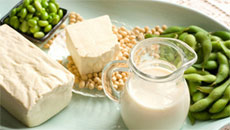
    Not happy with gym results on your muscles? Try a blend of soy and dairy proteins after resistance exercises as this has now been touted as the best way to build muscle mass.

    Build super muscles with soy-dairy protein

    'Love hormone' bonds animals like humans

    'Love hormone' bonds animals like humans
    And you thought you had a patent on 'love hormone' when it comes to showing affection! Dogs too have oxytocin and release it in a good quantity when in love or looking for bonding.

    'Love hormone' bonds animals like humans

    Can you believe it? Metabolism existed even before origin of life, reveales study

    Can you believe it? Metabolism existed even before origin of life, reveales study
    The mystery behind how the first organisms on earth could have become metabolically active has been unlocked.

    Can you believe it? Metabolism existed even before origin of life, reveales study

    Fly's genome study offers hope for sleeping sickness

    Fly's genome study offers hope for sleeping sickness
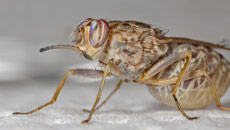
    With genome decoding of tsetse fly that causes the potentially fatal sleeping sickness disease, scientists have discovered new clues to the diet, vision and reproductive strategies of the insect.

    Fly's genome study offers hope for sleeping sickness

    Technology to catch dozing drivers on the go

    Technology to catch dozing drivers on the go
    Long rides at night can now become a lot more pleasant and safe if you listen to researchers who have developed an inexpensive and easier way to find out when the person behind the wheel is about to nod off.

    Technology to catch dozing drivers on the go