Thursday, December 25, 2025
ADVT 
Health

Can diabetes be reversed?

Darpan News Desk IANS, 06 Jun, 2014 01:20 PM
    In a ray of hope for diabetes patients, scientists have discovered the cellular sequence that leads to the trigger of the disease.
     
    They also found potential molecular targets for preventing or reversing the process.
     
    “We have described the etiology of obesity-related diabetes. We have pinpointed the steps, the way the whole thing happens,” said Jerrold M. Olefsky, a distinguished professor of medicine at University of California, San Diego.
     
    “The research on mice suggests that the processes are comparable in humans and these findings are important to not just understanding how diabetes begins, but how better to treat and prevent it,” he added.
     
    During the study, the researchers fed mice a high-fat diet. 
     
    They observed that the abundant saturated fatty acids in the diet activated adenine nucleotide translocase 2 (ANT2) - a mitochondrial protein in fat cell membranes that is involved in cellular energy metabolism.
     
    Activation of ANT2 caused increased oxygen consumption, which meant less was available for the rest of the cell.
     
    The result was a relative state of hypoxia or inadequate oxygen supply.
     
    It subsequently induced production of a protective transcription factor in fat cells called HIF-1alpha.
     
    In turn, HIF-1alpha triggered release of chemokines, proteins that signal cellular distress, launching the immune system's inflammatory response.
     
    A sustained high-fat diet ensured that the process continued unabated, leading to obesity, chronic low-grade tissue inflammation and eventually, insulin resistance in the mice.
     
    The elucidation of this sequence also revealed two potential therapeutic targets: ANT2 and HIF-1alpha.
     
    The researchers suggest that inhibiting either could blunt, or even reverse, the damaging cellular sequence.
     
    Diabetes is characterised by high blood sugar levels poorly regulated by either inadequate insulin production or because cells to not respond properly to the regulating hormone.
     
    The findings were published in the journal Cell.

    MORE Health ARTICLES

    Technology to catch dozing drivers on the go

    Technology to catch dozing drivers on the go
    Long rides at night can now become a lot more pleasant and safe if you listen to researchers who have developed an inexpensive and easier way to find out when the person behind the wheel is about to nod off.

    Technology to catch dozing drivers on the go

    Astronauts may face attention deficit risks

    Astronauts may face attention deficit risks
    Astronauts who are radiation-sensitive need to take extra care to protect their brains as they may face risks of attention deficit and slower reaction times, a study suggests.

    Astronauts may face attention deficit risks

    Befriend a cyber buddy to stay motivated

    Befriend a cyber buddy to stay motivated
    Although a human partner is a better motivator during exercise, a software-generated cyber partner can also be effective in making you work a little extra, research reveals.

    Befriend a cyber buddy to stay motivated

    New method to treat cocaine addiction effectively

    New method to treat cocaine addiction effectively
    There is hardly any effective medications for cocaine addiction, but researchers have now discovered a new compound that can halt cocaine addiction, raising hope for new treatment for drug addicts.

    New method to treat cocaine addiction effectively

    How bariatric surgery can help control diabetes

    How bariatric surgery can help control diabetes
    That bariatric surgery, or obesity surgery, leads to weight loss is well known, but researchers have now identified the mechanism why obesity surgery also leave positive effects on diabetes and heart diseases.

    How bariatric surgery can help control diabetes

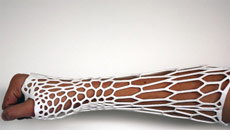
    Now, 3D-printed plaster cast to heal wound faster

    Now, 3D-printed plaster cast to heal wound faster
    In what could revolutionise plaster cast technology, a Turkish design student has unveiled a slick 3D-printed cast with ventilation holes that reduces healing time by around 40 percent than currently used plaster casts.

    Now, 3D-printed plaster cast to heal wound faster