Wednesday, June 3, 2026
ADVT 
Health

Can Drinking 100% Fruit Juice Not Raise Diabetes Risk?

IANS, 19 Jan, 2018 12:21 PM
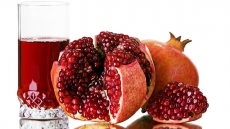
    Drinking 100 per cent fruit juice -- of apple, berry, citrus, grape and pomegranate -- does not significantly raise the risk of diabetes, a study has said.
     
    According to the study, published in the Journal of Nutritional Science, drinking 100 per cent fruit juice does not have a significant effect on fasting blood glucose, fasting blood insulin or insulin resistance -- markers of diabetes.
     
    For the study, the US-based Juice Products Association -- an industry trade group -- conducted systematic review and meta-analysis, which included 18 randomized controlled trials to evaluate the impact of 100 per cent juice from fruits on fasting blood glucose and fasting blood insulin levels.
     
    The findings are consistent with previous research indicating that 100 per cent fruit juice is not associated with an increased risk of developing Type 2 Diabetes, the researchers noted.
     
    However, a survey led by the British government earlier this year warned that fruit juice should be limited to a glass a day because of its high sugar content. 
     
    According to the "National Diet and Nutrition Survey" young people aged 11 to 19 are consuming, on an average, 47 per cent too much sugar from fruit juices, soft drinks, cereal bars, biscuits and cakes.
     
    "Fruit juice should only be drunk once a day and with a meal because it can be high in sugar," said Alison Tedstone, chief nutritionist at Public Health England, the government agency that released the survey.
     
    Another study, led by researchers from the Harvard University, showed that kids who drink fruit juices early in childhood are more likely to be diagnosed with asthma by age eight.
     
    The study, published in the journal Annals of the American Thoracic Society, also showed that women who drank more sugary drinks in their pregnancy are more likely to develop asthma. 

    MORE Health ARTICLES

    Green tea can protect spinal cord neurons

    Green tea can protect spinal cord neurons
    Chinese researchers have found evidence that polyphenols can protect spinal cord neurons against oxidative stress and can reduce free radical damage....

    Green tea can protect spinal cord neurons

    Serotonin can reduce sensitivity to pain

    Serotonin can reduce sensitivity to pain
    Researchers at Portugal's Champalimaud Foundation said Friday that the molecule of serotonin in the organism can diminish sensitivity to pain...

    Serotonin can reduce sensitivity to pain

    Pomegranate peel may cure deadly brain disorders

    Pomegranate peel may cure deadly brain disorders
    Do not throw that pomegranate peel in the garbage bin. In the near future, it may be a source of drugs for two incurable diseases that affect the elderly....

    Pomegranate peel may cure deadly brain disorders

    Botox could help treat stomach cancers!

    Botox could help treat stomach cancers!
    Through their study, the scientists have shown how the drug slows cancer growth by eliminating the signals sent by nerves that are linked to cancer stem cells...

    Botox could help treat stomach cancers!

    Lizard tails may help humans get new limbs

    Lizard tails may help humans get new limbs
    Lizard tails have fascinated humans from ancient times, falling off and growing back just like new. Now, scientists have solved the mystery of how lizards can regenerate their tails....

    Lizard tails may help humans get new limbs

    Pain pills less effective in irritable bowel syndrome

    Pain pills less effective in irritable bowel syndrome
    Australian researchers have discovered that the immune system is defective in people suffering from irritable bowel syndrome and this renders pain treatment...

    Pain pills less effective in irritable bowel syndrome