Tuesday, June 2, 2026
ADVT 
Health

Cheap, Portable Biosensor Developed By Indian-American To Keep Tab On Alzheimer's Progress

IANS, 14 Mar, 2016 11:07 AM
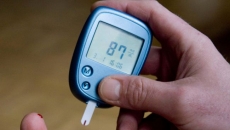
    A team of researchers led by an Indian-American scientist has developed a portable biosensor that can display the progress of Alzheimer's disease in a patient.
     
    A test on the cheap and simple biosensor can measure the level of protein called beta-amyloid -- increased level of which leads to the degeneration of brain cells and causes Alzheimer's -- in the blood at tiny concentrations in just half an hour.
     
    "We want to develop a point of care system, where a small drop of blood plasma can reveal their beta-amyloid level immediately so that a doctor can tailor a patient's therapy immediately," said lead author Ajeet Kaushik from the University of Florida in the US. 
     
    The protein, which is found in lower levels in blood, makes it a useful biomarker to diagnose and monitor the disease progression.
     
    A quick test on the biosensor can reveal a clinician to collect accurate information on the progression of disease and see what is happening to a patient over time. 
     
    It will also show if and when the disease reaches an untreatable level, the authors reported in the study published in the journal Biosensors and Bioelectronics.
     
    The researchers pointed out that the affordable test can be useful in both developed countries and rural settings. Also with the right data, doctors can respond quickly to changes in a patient's brain by reducing or increasing their dose of drugs.

    MORE Health ARTICLES

    Statins may increase life of diabetics: Study

    Statins may increase life of diabetics: Study
    The use of cholesterol-lowering statins may help prolong the lives of people with diabetic cardiovascular disease, says a new research.

    Statins may increase life of diabetics: Study

    Influenza patients in US wrongly prescribed antibiotics?

    Influenza patients in US wrongly prescribed antibiotics?
    Taking antibiotics does not help patients suffering from influenza, a viral disease, but nearly 30 percent of the flu patients who were treated during the 2012-2013 influenza season in the US may have been prescribed unnecessary antibiotics instead of antiviral therapy, says a study.

    Influenza patients in US wrongly prescribed antibiotics?

    Food strikes obese women with learning impairment

    Food strikes obese women with learning impairment
    In what could result in specific behavioural interventions to treat obesity, researchers have found that obese women are better able to identify cues that predict monetary rewards than those that predict food rewards.

    Food strikes obese women with learning impairment

    Injection to control diabetes without side effects

    Injection to control diabetes without side effects
    Dealing with diabetes could soon be a lot easier as researchers have developed an injection that can restore blood sugar levels to normal for more than two days without any side effects.

    Injection to control diabetes without side effects

    'Include men in breast cancer trials'

    'Include men in breast cancer trials'
    Men may find it hard to report anything in their breast, even if it is a lump, but the fact is breast cancer is not exclusive to women and though the proportion is small, men too can have it.

    'Include men in breast cancer trials'

    Even 'third-hand' smoke kills

    Even 'third-hand' smoke kills
    Have you finally amended your habits and stopped smoking inside the house to protect your kids from exposure to second-hand smoke? That may not be good enough!

    Even 'third-hand' smoke kills