Tuesday, April 7, 2026
ADVT 
Health

Decaffeinated coffee good for liver

Darpan News Desk IANS, 10 Oct, 2014 02:33 PM
  • Decaffeinated coffee good for liver
Drinking decaffeinated coffee is good for your liver, shows a study.
 
Higher coffee consumption, regardless of caffeine content, was linked to lower levels of abnormal liver enzymes.
 
This suggests that chemical compounds in coffee other than caffeine may help protect the liver, showed the study.
 
"Prior research found that drinking coffee may have a possible protective effect on the liver. However, the evidence is not clear if that benefit may extend to decaffeinated coffee," said Qian Xiao from the National Cancer Institute in Bethesda, Maryland.
 
Previous studies found that coffee consumption may help lower the risk of developing diabetes, cardiovascular disease, non-alcoholic fatty liver disease, cirrhosis, and liver cancer.
 
For the study, researchers collected data from the US National Health and Nutrition Examination Survey (NHANES).
 
They enrolled 27,793 participants in age group 20 who were provided their coffee intake for a 24-hour period.
 
The team measured blood levels of several markers of liver function, including aminotransferase (ALT), aminotransferase (AST), alkaline phosphatase (ALP) and gamma glutamyl transaminase (GGT) to determine liver health.
 
Participants who reported drinking three or more cups of coffee per day had lower levels of ALT, AST, ALP and GGT compared to those not consuming any coffee, found the study.
 
Researchers also found low levels of these liver enzymes in participants drinking only decaffeinated coffee.
 
“Our findings link total and decaffeinated coffee intake to lower liver enzyme levels. These data suggest that ingredients in coffee, other than caffeine, may promote liver health. Further studies are needed to identify these components," concluded Xiao.
The study appeared in the journal Hepatology.

MORE Health ARTICLES

Fly's genome study offers hope for sleeping sickness

Fly's genome study offers hope for sleeping sickness
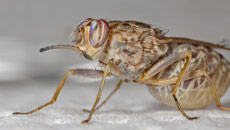
With genome decoding of tsetse fly that causes the potentially fatal sleeping sickness disease, scientists have discovered new clues to the diet, vision and reproductive strategies of the insect.

Fly's genome study offers hope for sleeping sickness

Technology to catch dozing drivers on the go

Technology to catch dozing drivers on the go
Long rides at night can now become a lot more pleasant and safe if you listen to researchers who have developed an inexpensive and easier way to find out when the person behind the wheel is about to nod off.

Technology to catch dozing drivers on the go

Astronauts may face attention deficit risks

Astronauts may face attention deficit risks
Astronauts who are radiation-sensitive need to take extra care to protect their brains as they may face risks of attention deficit and slower reaction times, a study suggests.

Astronauts may face attention deficit risks

Befriend a cyber buddy to stay motivated

Befriend a cyber buddy to stay motivated
Although a human partner is a better motivator during exercise, a software-generated cyber partner can also be effective in making you work a little extra, research reveals.

Befriend a cyber buddy to stay motivated

New method to treat cocaine addiction effectively

New method to treat cocaine addiction effectively
There is hardly any effective medications for cocaine addiction, but researchers have now discovered a new compound that can halt cocaine addiction, raising hope for new treatment for drug addicts.

New method to treat cocaine addiction effectively

How bariatric surgery can help control diabetes

How bariatric surgery can help control diabetes
That bariatric surgery, or obesity surgery, leads to weight loss is well known, but researchers have now identified the mechanism why obesity surgery also leave positive effects on diabetes and heart diseases.

How bariatric surgery can help control diabetes