Wednesday, May 27, 2026
ADVT 
Health

Ditch Ready-to-eat Meals To Avoid High Calories

Darpan News Desk Darpan, 05 Nov, 2014 03:20 PM
    Do you want to help trim yours and your family’s waistlines? One can save over a month’s worth of calories every year by ditching 'ready meals' and instead taking a Do it Yourself (DIY) approach to making common foods.
     
    The research by etailer AppliancesDirect found that the average family stands to save 240,000 calories, the equivalent of 32 days’ recommended calorie intake for a family of four, by home-making meals, instead of relying on shop prepared versions, reports femalefirst.co.uk.
     
    The statistics indicate Britain is a nation of false foodies which, despite being obsessed with cookery shows like the “Great British Bake Off” and “Masterchef”, has the highest ready meal consumption in Europe.
     
    “Obesity rates have never been higher and that is largely due to our lifestyles. Our grandparents were brought up on single-ingredient whole foods and we should eat more like them,” said Nik Litwinenko-Jones, lifestyle nutritionist at Quality for Life Fitness.
     
    “Yet now it's too easy to opt for ready-meals packed with long lists of ingredients - as a rule the longer the list the more you should avoid. These meals have best before dates of many weeks, meaning they are packed with salt, sugar and preservatives, increasing your risk of life-threatening illnesses such as Coronary Heart Disease and Type II Diabetes,” added Jones.
     
    More than 65 percent of Britishers admit to eating ready meals five times per week, while 57 percent buy readymade fruit juices or smoothies three or more times per week.
     
    But not only are these pre-prepared products often laden with excessive sugar, salt and fat, statistics indicate they are also much more expensive.
     
    By switching to home-prepared foods instead, the statistics show that the average family could save almost 2,000 pounds per year, the cost of the average family holiday.
    MORE Health ARTICLES

    New diabetes, obesity drug: Indian-American's promising research

    New diabetes, obesity drug: Indian-American's promising research
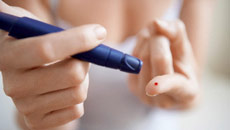
    Two researchers at Indiana University, including an Indian-American, are leading the way towards developing a new potential non-insulin drug for diabetes and obesity, which needs to be taken only once a week.

    New diabetes, obesity drug: Indian-American's promising research

    Build super muscles with soy-dairy protein

    Build super muscles with soy-dairy protein
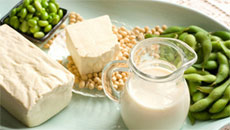
    Not happy with gym results on your muscles? Try a blend of soy and dairy proteins after resistance exercises as this has now been touted as the best way to build muscle mass.

    Build super muscles with soy-dairy protein

    'Love hormone' bonds animals like humans

    'Love hormone' bonds animals like humans
    And you thought you had a patent on 'love hormone' when it comes to showing affection! Dogs too have oxytocin and release it in a good quantity when in love or looking for bonding.

    'Love hormone' bonds animals like humans

    Can you believe it? Metabolism existed even before origin of life, reveales study

    Can you believe it? Metabolism existed even before origin of life, reveales study
    The mystery behind how the first organisms on earth could have become metabolically active has been unlocked.

    Can you believe it? Metabolism existed even before origin of life, reveales study

    Fly's genome study offers hope for sleeping sickness

    Fly's genome study offers hope for sleeping sickness
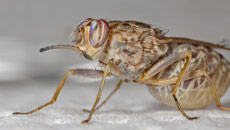
    With genome decoding of tsetse fly that causes the potentially fatal sleeping sickness disease, scientists have discovered new clues to the diet, vision and reproductive strategies of the insect.

    Fly's genome study offers hope for sleeping sickness

    Technology to catch dozing drivers on the go

    Technology to catch dozing drivers on the go
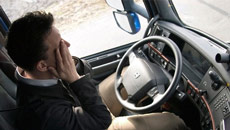
    Long rides at night can now become a lot more pleasant and safe if you listen to researchers who have developed an inexpensive and easier way to find out when the person behind the wheel is about to nod off.

    Technology to catch dozing drivers on the go