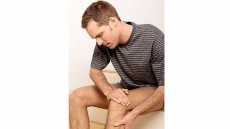
Does your child complain of pain in the leg? Don't ignore this as "growing up pain" but consider it as a signal for bone or knee-related ailments in the future, health experts caution.
They said that young children are affected with various knee problems like genu valgum/genu varum (knock knees/bow legs), discoid meniscus (an abnormally shaped meniscus in the knee), ligament tear, juvenile rheumatoid arthritis and obesity-related knee pain.
Yash Gulati, director and head of department, orthopaedics, joint reconstruction and spine surgery, BLK Super Speciality Hospital, said though knee-related ailments and arthritis are not very common among the younger population, juvenile rheumatoid arthritis (JVA) can affect children at an earlier age and also affect multiple joints.
"Sometimes aching and throbbing commonly felt in the legs of children from the age of three upwards, often at night, is considered as growing up pain. However, this cannot be ignored for long as this could indicate that a child is at risk of osteoarthritis in later life," Gulati told IANS.
Rajeev K. Sharma, a Delhi-based orthopedic and joint replacement surgeon, explained that in juvenile arthritis the joints of young children become affected by rheumatoid arthritis - a condition which causes joint inflammation and pain - adding that no exact causes are known for the affliction.
"No one knows exactly what causes juvenile arthritis. Researchers believe some children have genes that make them more likely to get the disease. Exposure to something in the environment (for example, a virus) triggers juvenile arthritis in these children. Juvenile arthritis, however, is not hereditary," Sharma said.
He added that arthritis in children is not so much a lifestyle problem.
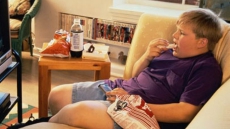
"But, yes, children who spend non-active lifestyles, are obese and eat unhealthy diets are likely to grow up into adults in whom the wear and tear of joints will start faster," he said.
According to Raju Vaishya, senior consultant - orthopaedic and joint replacement surgeon, Indraprastha Apollo Hospitals, Delhi, persistent pain in the younger population should alarm the patient and the treating doctor.
"Girls are more commonly affected than boys. Children with knock knees, bow legs and obesity are more prone to develop joint problems... Most joint problems are non-hereditary. But some arthritis like ankylosing spondylitis (arthritis that affects the spine) could be hereditary as they are genetic in nature," he said.
Surya Bhan, director of orthopaedics and chief joint replacement surgeon, Primus Super Speciality Hospital, said that while JRA is more common to children aged 8 to 18 years, septic arthritis (inflammation of a joint due to a bacterial or fungal infection) occurs in children less than five years old.
So, what measures can be adopted to keep the problem at bay?
"There is hardly anything that can be done to prevent JRA since it is an autoimmune disorder. However, controlling some modifiable factors like childhood obesity can possibly reduce the burden of knee problems in childhood," Vivek Logani, chief of joint replacement surgery at Paras Hospitals, told IANS.
He added that children should be sensitized to develop healthy food habits and avoid junk food.
"A diet rich in proteins, simple carbohydrates, fresh fruits and veggies, lot of fluids, and antioxidants can possibly reduce incidence of childhood obesity. Apart from this, regular aerobic exercise regimen and swimming can help keep check on body weight and keep good muscle balance required for healthy joints," Logani said.
However, Gulati suggested early diagnosis, saying it is the only way the condition can be treated.
"The earliest it can be diagnosed the lesser chances will be of worsening the situation. In severe conditions, special types of medicines, called disease modifying drugs, are required and occasionally surgery may also be required. As a matter of fact, if a joint is badly destroyed even its replacement may be required although it happens rarely," he said.