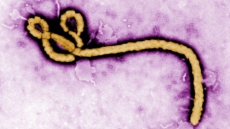
Drinking iced tea may increase risk of cholera in endemic countries because Vibrio cholerae, the bacteria which spreads the disease, might be present in ice as well, suggests new research from Vietnam.
The finding may have important implications in fighting the disease, the transmission of which is closely linked to inadequate access to clean water and it is often spread through contaminated drinking water.
"Along with traditional approaches that focus on enhancement of safe water, sanitation, and food safety, combined with periodic provision of oral cholera vaccines, a water quality monitoring system at ice-making plants should be established," the researchers said.
After more than a decade of declining cholera incidence, Vietnam faced an increase in cases of the diarrhoeal disease during 2007-2010.
In the Ben Tre province of the Mekong Delta region in the southern part of Vietnam, no cholera cases were reported from 2005 until an outbreak in 2010.
In the new work, published in the journal PLOS Neglected Tropical Diseases, Thuong Vu Nguyen of the Pasteur Institute in Ho Chi Minh City, and colleagues interviewed 60 people who were confirmed to have been infected with cholera during the 2010 outbreak in Ben Tre, as well as 240 controls.
Information about each person's eating and drinking behaviours and living environment was recorded.
The researchers also collected samples of nearby river water, drinking water, wastewater samples, and local seafood to test for Vibrio cholerae, the bacteria which spreads the disease.
The researchers found that drinking iced tea, not always boiling drinking water, having a main water source near a toilet, living with other who have diarrhoea, and having little or no education were all associated with an increased risk of cholera, while drinking stored rainwater, eating cooked seafood or steamed vegetables were protective against the disease.
The researchers found that 22 per cent of people with cholera reported drinking iced tea in the week prior to their disease, whereas only three per cent of controls had drank iced tea in the week before being interviewed.
Patients with cholera were also more likely to always put ice in their water and to use sedimented river water for drinking, bathing, cooking, and brushing their teeth.
More work is needed to determine why iced tea boosts the risk of cholera, but the researchers believe that the bacteria may be found in ice, which is often bought from street vendors.