Tuesday, December 16, 2025
ADVT 
Health

Electric currents may boost memory

Darpan News Desk Darpan, 29 Aug, 2014 10:34 AM
  • Electric currents may boost memory
Electric currents could be the key to treating memory impairments caused by conditions such as stroke, early-stage Alzheimer's disease, traumatic brain injury, cardiac arrest and the memory problems that occur in healthy ageing.
 
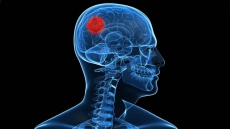
Researchers have found that stimulating a particular region in the brain via non-invasive delivery of electrical current using magnetic pulses, called Transcranial Magnetic Stimulation (TMS), improves memory.
 
"We show for the first time that you can specifically change memory functions of the brain in adults without surgery or drugs, which have not proven effective," said senior author Joel Voss, assistant professor of medical social sciences at Northwestern University Feinberg School of Medicine in the US.
 
"This non-invasive stimulation improves the ability to learn new things. It has tremendous potential for treating memory disorders," Voss added.
 
It is not possible to directly stimulate the hippocampus (a key memory structure) with TMS because it is too deep in the brain for the magnetic fields to penetrate.
 
So, using an MRI scan, the researchers identified a superficial brain region a mere centimetre from the surface of the skull with high connectivity to the hippocampus.
 
The researchers wanted to see if directing the stimulation to this spot would in turn stimulate the hippocampus. It did.
 
"I was astonished to see that it worked so specifically," Voss said.
 
When TMS was used to stimulate this spot, regions in the brain involved with the hippocampus became more synchronised with each other.
 
The more those regions worked together due to the stimulation, the better people were able to learn new information.
 
The study involving 16 healthy adults ages 21 to 40 will be published in the journal Science.
MORE Health ARTICLES

First molecular map to detect vision loss created

First molecular map to detect vision loss created
An Indian-origin researcher-led team has created the most detailed map to date of a region of the human eye, long associated with blinding diseases...

First molecular map to detect vision loss created

Revealed: Why brain tumours are more common in men

Revealed: Why brain tumours are more common in men
The absence of a protein known to reduce cancer risk can explain why brain tumours occur more often in males and are more harmful than similar tumours in females....

Revealed: Why brain tumours are more common in men

In-flight infants at greater death risk: Study

In-flight infants at greater death risk: Study
If we believe a shocking in-flight pattern revealed by researchers, lap infants are at greater risk of dying on board owing to bad sleeping arrangements....

In-flight infants at greater death risk: Study

Herbal anti-malaria drug may control asthma

Herbal anti-malaria drug may control asthma
According to researchers from National University of Singapore (NUS), the "artesunate" herbal drug can herald better treatment outcomes than other...

Herbal anti-malaria drug may control asthma

Probiotics crucial for super gut health

Probiotics crucial for super gut health
The bacteria that aid in digestion help keep the intestinal lining intact, scientists say, adding that daily probiotics hold the key to ward off inflammatory...

Probiotics crucial for super gut health

Watch your waistline for diabetes risk

Watch your waistline for diabetes risk
A British health report has warned that adults with a large waistline are five times more likely to develop type 2 diabetes....

Watch your waistline for diabetes risk