Saturday, July 4, 2026
ADVT 
Health

Energy Drinks Bad For Youngsters' Heart

Darpan News Desk IANS, 02 Apr, 2015 01:50 PM
    Excessive consumption of energy drinks can trigger sudden cardiac deaths in youngsters, apparently healthy individuals, warns a new study.
     
    The study published in the Canadian Journal of Cardiology focused on how the marketing of these drinks as a means to relieve fatigue and improve physical and cognitive performance may be ignoring dangers.
     
    "As energy drinks consumption continues to grow, physicians are advised to ask adolescent patients whether they consume energy drinks, to be aware of the symptoms of energy drink overconsumption, and to discuss the dangers of energy drinks alone and mixed with alcohol," explained lead researcher Fabian Sanchis-Gomar from Research Institute of Hospital 12 de Octubre, Spain.
     
    For people with underlying heart diseases, the risk of triggering sudden arrhythmic death syndrome (SADS) or other arrhythmias can be significant, researchers noted.
     
    Even atrial fibrillation (AF), normally uncommon in children without structural heart disease, has been observed in a 13-year-old adolescent boy during a soccer training session after ingesting Eds, the study pointed out.
     
    The researchers, however, added that one can take (250 ml) of an energy drink per day which is safe for most of the healthy adolescents.
     
    But energy drink consumption before or during sports practice should be avoided and adolescents with clinically relevant underlying medical conditions should consult cardiologists before drinking energy drinks.
     
    These beverages often contain high amounts of labelled caffeine. However, they can contain "masked" caffeine, in the form of guarana, for example, which comes from a Brazilian plant and is identical to caffeine found in coffee beans, but at twice the concentration.
     
    The addition of guarana and other substances such as ginseng and taurine in variable quantities may generate uncertain interactions, the researchers added.
     
    Although caffeine is widely used and generally regarded as safe, serious adverse effects have been reported, especially when consumed in larger doses.
    MORE Health ARTICLES

    Brains of depressed young adults 'hyper-connected'

    Brains of depressed young adults 'hyper-connected'
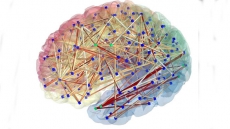
    Several regions of the brain in young adults who have a history of depression are "hyper-connected" -- or are talking to each other a little too much, new research finds....

    Brains of depressed young adults 'hyper-connected'

    Canada pulling 3 member lab team back from Sierra Leone over Ebola fears

    Canada pulling 3 member lab team back from Sierra Leone over Ebola fears
    Canada is bringing three scientists home from Kailahun, Sierra Leone, a post which the World Health Organization has temporarily closed to investigate the infection of an international medical responder working there.

    Canada pulling 3 member lab team back from Sierra Leone over Ebola fears

    More kids at risk of developing diabetes from womb, says study

    More kids at risk of developing diabetes from womb, says study
    New research shows that children exposed to gestational diabetes in the wombs are nearly six times more likely to develop diabetes or prediabetes than children...

    More kids at risk of developing diabetes from womb, says study

    Low-dose aspirin reduces blood clot risk

    Low-dose aspirin reduces blood clot risk
    Low-dose aspirin can help prevent new blood clots among people who are at risk and have already suffered a blood clot, says a promising study....

    Low-dose aspirin reduces blood clot risk

    Knee surgery not needed for mild osteoarthritis

    Knee surgery not needed for mild osteoarthritis
    Middle-aged and older patients with mild osteoarthritis of the knee may not benefit from the procedure of arthroscopic knee surgery, says new research....

    Knee surgery not needed for mild osteoarthritis

    Eye changes can predict dementia

    Eye changes can predict dementia
    A loss of cells in the retina is one of the earliest signs of a form of dementia in people with a genetic risk for the brain disorder - even before any changes appear....

    Eye changes can predict dementia