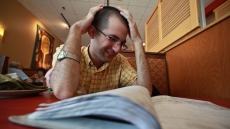
TORONTO — Romeo Phillion, who spent decades behind bars protesting his innocence before he was freed and his murder conviction overturned, has passed away after a lengthy illness, supporters said Tuesday.
The Association in Defence of the Wrongly Convicted, who fought to have Phillion exonerated, said he died Monday, a day after his admission to hospital.
"Romeo will never be forgotten for his fighting spirit, sense of humour, support of other wrongly convicted and for his boyish and captivating charm," the association said in a statement.
"Romeo did what he could to draw attention to the devastation that a wrongful conviction imposes on the innocent individual and their family."
Phillion, who was about 80 years old, was convicted in 1972 of second-degree murder in the stabbing death of an Ottawa firefighter, Leopold Roy. The conviction was based largely on Phillion's confession, which he recanted within hours.
He was jailed for life but always refused to seek parole, saying it would amount to an admission of guilt. By the time he was released pending disposition of his case, he had spent almost 32 years behind bars, becoming Canada's longest-ever serving inmate to have a murder conviction thrown out.
The federal government ultimately referred his case to the Ontario Court of Appeal, which quashed his conviction and ordered a new trial in 2009. The court found that police had initially verified an alibi proving he was nowhere near the crime scene — but never told the defence about it, apparently because investigators subsequently found his story to be untrue.
The Crown, arguing too much time had passed to try him again, withdrew the charge.
Phillion sued for $14 million, alleging negligence and wrongdoing by prosecutors and two Ottawa police officers. The courts initially denied him the right to sue on the grounds that it would be an abuse of process but he was eventually given the go-ahead.
Despite his failing health, the soft-spoken Phillion became active in supporting the fight against wrongful convictions. He attended association functions despite having to use a scooter and to carry oxygen with him, the activist group said.
"We are extremely grateful to him for his commitment to make a difference regardless of his personal challenges and losses," the association said.
Funeral arrangements had not been confirmed.