Thursday, July 2, 2026
ADVT 
Health

Exercise Counters Brain Shrinkage In Parkinson's Disease

Darpan News Desk The Canadian Press, 20 Jan, 2016 12:52 PM
  • Exercise Counters Brain Shrinkage In Parkinson's Disease
By protecting the brain from shrinkage, aerobic exercise may slow the progression of Parkinsons disease, a progressive disorder of the nervous system, says a neurologist.
 
In an editorial published online in the journal JAMA Neurology, neurologist J Eric Ahlskog from Mayo Clinic in Minnesota recommends that modern physical therapy practices should incorporate aerobic exercise training and encourage fitness for patients with Parkinson's disease.
 
Aerobic exercise means vigorous exercise, which makes you hot, sweaty and tired, Ahlskog explained.
 
This could include activity such as walking briskly or using an elliptical machine.
 
That does not mean stretching or balance exercises are not helpful, Ahlskog noted. Those types of exercises help with Parkinson's symptoms, such as rigid muscles, slowed movement or impaired posture and balance.
 
But to help fight the progression of Parkinson's disease, including dementia -- one of the most feared long-term outcomes of the disease, aerobic exercise enhances factors that potentially have a protective effect on the brain, Ahlskog noted.
 
For instance, aerobic exercise liberates trophic factors -- small proteins in the brain that behave like fertiliser does when applied to your lawn, he said citing scientific studies.
 
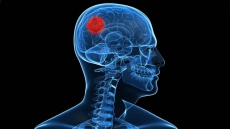
Exercise helps maintain brain connections and counters brain shrinkage from Parkinson's disease as well as from brain ageing, Ahlskog noted.

MORE Health ARTICLES

First molecular map to detect vision loss created

First molecular map to detect vision loss created
An Indian-origin researcher-led team has created the most detailed map to date of a region of the human eye, long associated with blinding diseases...

First molecular map to detect vision loss created

Revealed: Why brain tumours are more common in men

Revealed: Why brain tumours are more common in men
The absence of a protein known to reduce cancer risk can explain why brain tumours occur more often in males and are more harmful than similar tumours in females....

Revealed: Why brain tumours are more common in men

In-flight infants at greater death risk: Study

In-flight infants at greater death risk: Study
If we believe a shocking in-flight pattern revealed by researchers, lap infants are at greater risk of dying on board owing to bad sleeping arrangements....

In-flight infants at greater death risk: Study

Herbal anti-malaria drug may control asthma

Herbal anti-malaria drug may control asthma
According to researchers from National University of Singapore (NUS), the "artesunate" herbal drug can herald better treatment outcomes than other...

Herbal anti-malaria drug may control asthma

Probiotics crucial for super gut health

Probiotics crucial for super gut health
The bacteria that aid in digestion help keep the intestinal lining intact, scientists say, adding that daily probiotics hold the key to ward off inflammatory...

Probiotics crucial for super gut health

Watch your waistline for diabetes risk

Watch your waistline for diabetes risk
A British health report has warned that adults with a large waistline are five times more likely to develop type 2 diabetes....

Watch your waistline for diabetes risk