Sunday, July 5, 2026
ADVT 
Health

Exercise Counters Brain Shrinkage In Parkinson's Disease

Darpan News Desk The Canadian Press, 20 Jan, 2016 12:52 PM
  • Exercise Counters Brain Shrinkage In Parkinson's Disease
By protecting the brain from shrinkage, aerobic exercise may slow the progression of Parkinsons disease, a progressive disorder of the nervous system, says a neurologist.
 
In an editorial published online in the journal JAMA Neurology, neurologist J Eric Ahlskog from Mayo Clinic in Minnesota recommends that modern physical therapy practices should incorporate aerobic exercise training and encourage fitness for patients with Parkinson's disease.
 
Aerobic exercise means vigorous exercise, which makes you hot, sweaty and tired, Ahlskog explained.
 
This could include activity such as walking briskly or using an elliptical machine.
 
That does not mean stretching or balance exercises are not helpful, Ahlskog noted. Those types of exercises help with Parkinson's symptoms, such as rigid muscles, slowed movement or impaired posture and balance.
 
But to help fight the progression of Parkinson's disease, including dementia -- one of the most feared long-term outcomes of the disease, aerobic exercise enhances factors that potentially have a protective effect on the brain, Ahlskog noted.
 
For instance, aerobic exercise liberates trophic factors -- small proteins in the brain that behave like fertiliser does when applied to your lawn, he said citing scientific studies.
 
Exercise helps maintain brain connections and counters brain shrinkage from Parkinson's disease as well as from brain ageing, Ahlskog noted.

MORE Health ARTICLES

Can you believe it? Metabolism existed even before origin of life, reveales study

Can you believe it? Metabolism existed even before origin of life, reveales study
The mystery behind how the first organisms on earth could have become metabolically active has been unlocked.

Can you believe it? Metabolism existed even before origin of life, reveales study

Fly's genome study offers hope for sleeping sickness

Fly's genome study offers hope for sleeping sickness
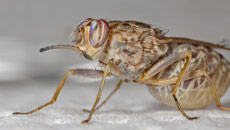
With genome decoding of tsetse fly that causes the potentially fatal sleeping sickness disease, scientists have discovered new clues to the diet, vision and reproductive strategies of the insect.

Fly's genome study offers hope for sleeping sickness

Technology to catch dozing drivers on the go

Technology to catch dozing drivers on the go
Long rides at night can now become a lot more pleasant and safe if you listen to researchers who have developed an inexpensive and easier way to find out when the person behind the wheel is about to nod off.

Technology to catch dozing drivers on the go

Astronauts may face attention deficit risks

Astronauts may face attention deficit risks
Astronauts who are radiation-sensitive need to take extra care to protect their brains as they may face risks of attention deficit and slower reaction times, a study suggests.

Astronauts may face attention deficit risks

Befriend a cyber buddy to stay motivated

Befriend a cyber buddy to stay motivated
Although a human partner is a better motivator during exercise, a software-generated cyber partner can also be effective in making you work a little extra, research reveals.

Befriend a cyber buddy to stay motivated

New method to treat cocaine addiction effectively

New method to treat cocaine addiction effectively
There is hardly any effective medications for cocaine addiction, but researchers have now discovered a new compound that can halt cocaine addiction, raising hope for new treatment for drug addicts.

New method to treat cocaine addiction effectively