Saturday, April 4, 2026
ADVT 
Health

Exercise Counters Brain Shrinkage In Parkinson's Disease

Darpan News Desk The Canadian Press, 20 Jan, 2016 12:52 PM
  • Exercise Counters Brain Shrinkage In Parkinson's Disease
By protecting the brain from shrinkage, aerobic exercise may slow the progression of Parkinsons disease, a progressive disorder of the nervous system, says a neurologist.
 
In an editorial published online in the journal JAMA Neurology, neurologist J Eric Ahlskog from Mayo Clinic in Minnesota recommends that modern physical therapy practices should incorporate aerobic exercise training and encourage fitness for patients with Parkinson's disease.
 
Aerobic exercise means vigorous exercise, which makes you hot, sweaty and tired, Ahlskog explained.
 
This could include activity such as walking briskly or using an elliptical machine.
 
That does not mean stretching or balance exercises are not helpful, Ahlskog noted. Those types of exercises help with Parkinson's symptoms, such as rigid muscles, slowed movement or impaired posture and balance.
 
But to help fight the progression of Parkinson's disease, including dementia -- one of the most feared long-term outcomes of the disease, aerobic exercise enhances factors that potentially have a protective effect on the brain, Ahlskog noted.
 
For instance, aerobic exercise liberates trophic factors -- small proteins in the brain that behave like fertiliser does when applied to your lawn, he said citing scientific studies.
 
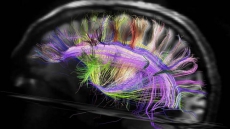
Exercise helps maintain brain connections and counters brain shrinkage from Parkinson's disease as well as from brain ageing, Ahlskog noted.


MORE Health ARTICLES

Toy-related Injuries On The Rise In US

Toy-related Injuries On The Rise In US
The study highlights that while playing with toys helps children to develop, learn, and explore, parents should also note that many toys pose an injury risk to children.

Toy-related Injuries On The Rise In US

Too Many Us Infants Still Sleep With Blankets Or Other Unsafe Bedding

Too Many Us Infants Still Sleep With Blankets Or Other Unsafe Bedding
CHICAGO — Too many U.S. infants sleep with blankets, pillows or other unsafe bedding that may lead to suffocation or sudden infant death syndrome, despite guidelines recommending against the practice. That's according to researchers who say 17 years of national data show parents need to be better informed.

Too Many Us Infants Still Sleep With Blankets Or Other Unsafe Bedding

Personalised vaccines for cancer a step closer

Personalised vaccines for cancer a step closer
Researchers have developed a strategy to create personalised vaccines that spur the immune system to attack harmful tumours....

Personalised vaccines for cancer a step closer

'Off switch' for pain discovered

'Off switch' for pain discovered
Researchers have uncovered a new way to block neuropathic pain including pain caused by chemotherapeutic agents and bone cancer....

'Off switch' for pain discovered

Nervous system plays bigger role in infections

Nervous system plays bigger role in infections
The nervous system may play a bigger role in infections and auto-immune diseases than previously known, says a study....

Nervous system plays bigger role in infections

Ebola test results now in 15 minutes!

Ebola test results now in 15 minutes!
The project, led by the Pasteur Institute in Dakar, Senegal, uses a "mobile suitcase laboratory", BBC reported....

Ebola test results now in 15 minutes!