Tuesday, June 30, 2026
ADVT 
Health

Exercise Counters Brain Shrinkage In Parkinson's Disease

Darpan News Desk The Canadian Press, 20 Jan, 2016 12:52 PM
  • Exercise Counters Brain Shrinkage In Parkinson's Disease
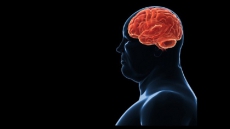
By protecting the brain from shrinkage, aerobic exercise may slow the progression of Parkinsons disease, a progressive disorder of the nervous system, says a neurologist.
 
In an editorial published online in the journal JAMA Neurology, neurologist J Eric Ahlskog from Mayo Clinic in Minnesota recommends that modern physical therapy practices should incorporate aerobic exercise training and encourage fitness for patients with Parkinson's disease.
 
Aerobic exercise means vigorous exercise, which makes you hot, sweaty and tired, Ahlskog explained.
 
This could include activity such as walking briskly or using an elliptical machine.
 
That does not mean stretching or balance exercises are not helpful, Ahlskog noted. Those types of exercises help with Parkinson's symptoms, such as rigid muscles, slowed movement or impaired posture and balance.
 
But to help fight the progression of Parkinson's disease, including dementia -- one of the most feared long-term outcomes of the disease, aerobic exercise enhances factors that potentially have a protective effect on the brain, Ahlskog noted.
 
For instance, aerobic exercise liberates trophic factors -- small proteins in the brain that behave like fertiliser does when applied to your lawn, he said citing scientific studies.
 
Exercise helps maintain brain connections and counters brain shrinkage from Parkinson's disease as well as from brain ageing, Ahlskog noted.

MORE Health ARTICLES

Oral cancer virus spreads via oral, genital route

Oral cancer virus spreads via oral, genital route
Transmission of human papillomavirus (HPV) occurs via oral-oral and oral-genital routes, says new research....

Oral cancer virus spreads via oral, genital route

A virus that could affect brain's activities

A virus that could affect brain's activities
People with algae virus in their throats had more difficulty completing a mental exercise than healthy people, and more research is needed to understand why...

A virus that could affect brain's activities

How mucus in mouth naturally fight cavities

How mucus in mouth naturally fight cavities
Salivary mucins, key components of mucus, actively protect the teeth from cavity-causing bacteria, new research shows....

How mucus in mouth naturally fight cavities

Television viewing to help detect eye diseases

Television viewing to help detect eye diseases
Mapping how your eyes respond to watching television can lead to early detection of diseases such as glaucoma, one of the leading causes of blindness worldwide, research shows....

Television viewing to help detect eye diseases

Cow's milk can deliver AIDS drug to infants

Cow's milk can deliver AIDS drug to infants
A milk powder containing anti-retroviral drugs, which are not very soluble in water, can help better treat and prevent HIV infection in babies, research shows....

Cow's milk can deliver AIDS drug to infants

Veterinarians' Group Issues Advice On Quarantine And Handling Pets That May Catch Ebola

Veterinarians' Group Issues Advice On Quarantine And Handling Pets That May Catch Ebola
NEW YORK — A veterinarians' group has put out guidance on handling pets that may have been infected by Ebola. It says that if an animal tests positive, it should be euthanized.

Veterinarians' Group Issues Advice On Quarantine And Handling Pets That May Catch Ebola