Wednesday, April 8, 2026
ADVT 
Health

Exercise May Delay Brain Aging By 10 Years

Darpan News Desk IANS, 25 Mar, 2016 12:12 PM
  • Exercise May Delay Brain Aging By 10 Years
Want to keep a sharp memory in old age? A study has found that moderate to intense regular exercise in old age may delay brain aging by 10 years.
 
According to the study, the people who reported light to no exercise -- their brain aged 10 years more than the people who reported moderate to intense exercise. 
 
"The number of people over the age of 65 in the US is on the rise, meaning the public health burden of thinking and memory problems will likely grow," said study author Clinton B Wright from University of Miami, US.
 
"Our study showed that for older people, getting regular exercise may be protective, helping them keep their cognitive abilities longer," Wright added in the paper published in the online journal of Neurology.
 
The team looked at data on 876 people who were asked how long and how often they exercised during the two weeks prior to that date. 
 
An average of seven years later, each person was given tests of memory and thinking skills and a brain MRI and five years after that they took the memory and thinking tests again.
 
 
Of the group, 90 percent reported light exercise or no exercise, which included activities such as walking and yoga. They were placed in the low activity group. 
 
The remaining 10 percent reported moderate to high intensity exercise, which included activities such as running, aerobics, or calisthenics. They were placed in the high activity group.
 
The findings showed, low activity levels showed a greater decline over five years compared to those with high activity levels on tests of how fast they could perform simple tasks and how many words they could remember from a list. 
 
The difference was equal to that of 10 years of aging. The difference also remained after researchers adjusted for other factors that could affect brain health, such as smoking, alcohol use, high blood pressure and body mass index.


MORE Health ARTICLES

'Love hormone' bonds animals like humans

'Love hormone' bonds animals like humans
And you thought you had a patent on 'love hormone' when it comes to showing affection! Dogs too have oxytocin and release it in a good quantity when in love or looking for bonding.

'Love hormone' bonds animals like humans

Can you believe it? Metabolism existed even before origin of life, reveales study

Can you believe it? Metabolism existed even before origin of life, reveales study
The mystery behind how the first organisms on earth could have become metabolically active has been unlocked.

Can you believe it? Metabolism existed even before origin of life, reveales study

Fly's genome study offers hope for sleeping sickness

Fly's genome study offers hope for sleeping sickness
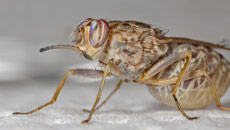
With genome decoding of tsetse fly that causes the potentially fatal sleeping sickness disease, scientists have discovered new clues to the diet, vision and reproductive strategies of the insect.

Fly's genome study offers hope for sleeping sickness

Technology to catch dozing drivers on the go

Technology to catch dozing drivers on the go
Long rides at night can now become a lot more pleasant and safe if you listen to researchers who have developed an inexpensive and easier way to find out when the person behind the wheel is about to nod off.

Technology to catch dozing drivers on the go

Astronauts may face attention deficit risks

Astronauts may face attention deficit risks
Astronauts who are radiation-sensitive need to take extra care to protect their brains as they may face risks of attention deficit and slower reaction times, a study suggests.

Astronauts may face attention deficit risks

Befriend a cyber buddy to stay motivated

Befriend a cyber buddy to stay motivated
Although a human partner is a better motivator during exercise, a software-generated cyber partner can also be effective in making you work a little extra, research reveals.

Befriend a cyber buddy to stay motivated