Saturday, March 28, 2026
ADVT 
Health

Exercise May Delay Brain Aging By 10 Years

Darpan News Desk IANS, 25 Mar, 2016 12:12 PM
  • Exercise May Delay Brain Aging By 10 Years
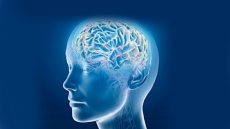
Want to keep a sharp memory in old age? A study has found that moderate to intense regular exercise in old age may delay brain aging by 10 years.
 
According to the study, the people who reported light to no exercise -- their brain aged 10 years more than the people who reported moderate to intense exercise. 
 
"The number of people over the age of 65 in the US is on the rise, meaning the public health burden of thinking and memory problems will likely grow," said study author Clinton B Wright from University of Miami, US.
 
"Our study showed that for older people, getting regular exercise may be protective, helping them keep their cognitive abilities longer," Wright added in the paper published in the online journal of Neurology.
 
The team looked at data on 876 people who were asked how long and how often they exercised during the two weeks prior to that date. 
 
An average of seven years later, each person was given tests of memory and thinking skills and a brain MRI and five years after that they took the memory and thinking tests again.
 
 
Of the group, 90 percent reported light exercise or no exercise, which included activities such as walking and yoga. They were placed in the low activity group. 
 
The remaining 10 percent reported moderate to high intensity exercise, which included activities such as running, aerobics, or calisthenics. They were placed in the high activity group.
 
The findings showed, low activity levels showed a greater decline over five years compared to those with high activity levels on tests of how fast they could perform simple tasks and how many words they could remember from a list. 
 
The difference was equal to that of 10 years of aging. The difference also remained after researchers adjusted for other factors that could affect brain health, such as smoking, alcohol use, high blood pressure and body mass index.

MORE Health ARTICLES

Why autistic people see faces differently

Why autistic people see faces differently
People with autism spectrum disorder (ASD) gain different perceptions from peoples' faces as the way they gather information - not the judgement process itself ...

Why autistic people see faces differently

A breath test could identify onset of diabetes in kids

A breath test could identify onset of diabetes in kids
 A sweet smell on the breath of your kids could have bitter health consequences as researchers have found that it could signal the onset of Type 1 diabetes....

A breath test could identify onset of diabetes in kids

'Recurrent cough and cold in children are signs of asthma'

'Recurrent cough and cold in children are signs of asthma'
Children with recurrent cough, cold and wheeze should visit their physician as these are clear symptoms that the child may be suffering from asthma, a medical...

'Recurrent cough and cold in children are signs of asthma'

'Good fat' could help manage diabetes

'Good fat' could help manage diabetes
Brown fat, nicknamed the ‘good fat’ because it warms up the body in cold temperatures, burning up calories in the process, could also be used to manage...

'Good fat' could help manage diabetes

Sleep apnea leads to poor aerobic fitness

Sleep apnea leads to poor aerobic fitness
  People with sleep apnea, in which breathing repeatedly starts and stops during slumber, are likely to have reduced aerobic fitness, even compared with those....

Sleep apnea leads to poor aerobic fitness

Protein 'switch' to turn off Alzheimer's identified

Protein 'switch' to turn off Alzheimer's identified
Blocking a protein that acts like switch to wake us up may help prevent Alzheimer's disease, new research has found, pointing towards a new target to prevent this...

Protein 'switch' to turn off Alzheimer's identified