Overnight fasting may reduce the risk of breast cancer among women, says a study.
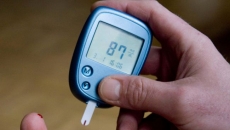
A decrease in the amount of time spent eating and an increase in overnight fasting reduces glucose levels and consequently may reduce the risk of breast cancer.
"Increasing the duration of overnight fasting could be a novel strategy to reduce the risk of developing breast cancer," said first author Catherine Marinac from University of California, San Diego.
"This is a simple dietary change that, we believe, most women can understand and adopt. It may have a big impact on public health without requiring complicated counting of calories or nutrients," Marinac added.
Women who fasted for longer periods of time overnight had significantly better control over blood glucose concentrations.
The data showed that each three hour increase in night time fasting was associated with a four percent lower postprandial glucose level, regardless of how much women ate.
"The dietary advice for cancer prevention usually focuses on limiting consumption of red meat, alcohol and refined grains while increasing plant-based foods," said co-author Ruth Patterson, also from UC San Diego.
"New evidence suggests that when and how often people eat can also play a role in cancer risk," Patterson said.
Women in the study reported eating five times per day with a mean night time fasting of 12 hours.
Those who reported longer fast durations also indicated they consumed fewer calories per day, ate fewer calories after 10 p.m. and had fewer eating episodes.
One maximal aspect of night-time fasting could mean that you didn't let anything cross your lips from 5:00 p.m. to 9:00 a.m., but ate anything you wanted for eight hours a day.
The period of night-time fasting could be reduced but studies have found that fasting brings benefits such as increased insulin sensitivity, improved cholesterol profiles, better cognitive function and, of course, weight loss.
Researchers further recommended large-scale clinical trials to confirm that night time fasting results in favourable changes to biomarkers of glycemic control and breast cancer risk.
The study appeared in the journal Cancer Epidemiology, Biomarkers & Prevention.