Monday, December 29, 2025
ADVT 
Health

Flawed gene may curb heart attack risk by half

Darpan News Desk IANS, 13 Nov, 2014 10:33 AM
    Rare mutations that shut down a single gene called NPC1L1 are linked to lower cholesterol levels and a 50 percent reduction in the risk of heart attack, says an Indian-origin cardiologist.
     
    People with one inactive copy of NPC1L1 appeared to be protected against high LDL cholesterol - the so-called “bad” cholesterol - and coronary heart disease, a narrowing of the heart's arteries that can lead to heart attacks, the findings showed.
     
    "Protective mutations like the one we have just identified for heart disease are a treasure trove for understanding human biology," said senior author Sekar Kathiresan, director of preventive cardiology at Massachusetts General Hospital.
     
    "They can teach us about the underlying causes of disease and point to important drug targets," Kathiresan noted.
     
    For the study, the researchers pooled data from about 113,000 people.
     
    The investigators found that people with only one working copy of the gene had LDL cholesterol levels an average of 12 milligrams per deciliter lower than the wider population of people with two working copies of the gene.
     
    "This analysis demonstrates that human genetics can guide us in terms of thinking about appropriate genes to target for clinical therapy," said first author Nathan Stitziel, a cardiologist at Washington University School of Medicine.
     
    The individuals with the rare gene mutations did not appear to differ from the larger population in any other way, including in measures of blood pressure, body mass index and rates of diabetes.
     
    The study appeared in The New England Journal of Medicine.
    MORE Health ARTICLES

    New diabetes, obesity drug: Indian-American's promising research

    New diabetes, obesity drug: Indian-American's promising research
    Two researchers at Indiana University, including an Indian-American, are leading the way towards developing a new potential non-insulin drug for diabetes and obesity, which needs to be taken only once a week.

    New diabetes, obesity drug: Indian-American's promising research

    Build super muscles with soy-dairy protein

    Build super muscles with soy-dairy protein
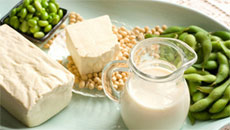
    Not happy with gym results on your muscles? Try a blend of soy and dairy proteins after resistance exercises as this has now been touted as the best way to build muscle mass.

    Build super muscles with soy-dairy protein

    'Love hormone' bonds animals like humans

    'Love hormone' bonds animals like humans
    And you thought you had a patent on 'love hormone' when it comes to showing affection! Dogs too have oxytocin and release it in a good quantity when in love or looking for bonding.

    'Love hormone' bonds animals like humans

    Can you believe it? Metabolism existed even before origin of life, reveales study

    Can you believe it? Metabolism existed even before origin of life, reveales study
    The mystery behind how the first organisms on earth could have become metabolically active has been unlocked.

    Can you believe it? Metabolism existed even before origin of life, reveales study

    Fly's genome study offers hope for sleeping sickness

    Fly's genome study offers hope for sleeping sickness
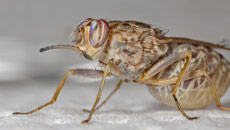
    With genome decoding of tsetse fly that causes the potentially fatal sleeping sickness disease, scientists have discovered new clues to the diet, vision and reproductive strategies of the insect.

    Fly's genome study offers hope for sleeping sickness

    Technology to catch dozing drivers on the go

    Technology to catch dozing drivers on the go
    Long rides at night can now become a lot more pleasant and safe if you listen to researchers who have developed an inexpensive and easier way to find out when the person behind the wheel is about to nod off.

    Technology to catch dozing drivers on the go