Friday, December 26, 2025
ADVT 
Health

Flawed gene may curb heart attack risk by half

Darpan News Desk IANS, 13 Nov, 2014 10:33 AM
    Rare mutations that shut down a single gene called NPC1L1 are linked to lower cholesterol levels and a 50 percent reduction in the risk of heart attack, says an Indian-origin cardiologist.
     
    People with one inactive copy of NPC1L1 appeared to be protected against high LDL cholesterol - the so-called “bad” cholesterol - and coronary heart disease, a narrowing of the heart's arteries that can lead to heart attacks, the findings showed.
     
    "Protective mutations like the one we have just identified for heart disease are a treasure trove for understanding human biology," said senior author Sekar Kathiresan, director of preventive cardiology at Massachusetts General Hospital.
     
    "They can teach us about the underlying causes of disease and point to important drug targets," Kathiresan noted.
     
    For the study, the researchers pooled data from about 113,000 people.
     
    The investigators found that people with only one working copy of the gene had LDL cholesterol levels an average of 12 milligrams per deciliter lower than the wider population of people with two working copies of the gene.
     
    "This analysis demonstrates that human genetics can guide us in terms of thinking about appropriate genes to target for clinical therapy," said first author Nathan Stitziel, a cardiologist at Washington University School of Medicine.
     
    The individuals with the rare gene mutations did not appear to differ from the larger population in any other way, including in measures of blood pressure, body mass index and rates of diabetes.
     
    The study appeared in The New England Journal of Medicine.

    MORE Health ARTICLES

    Eating tomatoes daily can reduce prostate cancer risk

    Eating tomatoes daily can reduce prostate cancer risk
    Men who eat tomatoes over ten portions a week have an 18 percent lower risk of developing prostate cancer, new research shows....

    Eating tomatoes daily can reduce prostate cancer risk

    Brains of depressed young adults 'hyper-connected'

    Brains of depressed young adults 'hyper-connected'
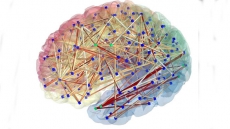
    Several regions of the brain in young adults who have a history of depression are "hyper-connected" -- or are talking to each other a little too much, new research finds....

    Brains of depressed young adults 'hyper-connected'

    Canada pulling 3 member lab team back from Sierra Leone over Ebola fears

    Canada pulling 3 member lab team back from Sierra Leone over Ebola fears
    Canada is bringing three scientists home from Kailahun, Sierra Leone, a post which the World Health Organization has temporarily closed to investigate the infection of an international medical responder working there.

    Canada pulling 3 member lab team back from Sierra Leone over Ebola fears

    More kids at risk of developing diabetes from womb, says study

    More kids at risk of developing diabetes from womb, says study
    New research shows that children exposed to gestational diabetes in the wombs are nearly six times more likely to develop diabetes or prediabetes than children...

    More kids at risk of developing diabetes from womb, says study

    Low-dose aspirin reduces blood clot risk

    Low-dose aspirin reduces blood clot risk
    Low-dose aspirin can help prevent new blood clots among people who are at risk and have already suffered a blood clot, says a promising study....

    Low-dose aspirin reduces blood clot risk

    Knee surgery not needed for mild osteoarthritis

    Knee surgery not needed for mild osteoarthritis
    Middle-aged and older patients with mild osteoarthritis of the knee may not benefit from the procedure of arthroscopic knee surgery, says new research....

    Knee surgery not needed for mild osteoarthritis