Thursday, June 18, 2026
ADVT 
Health

Fresh honey could provide alternative to antibiotics

Darpan News Desk IANS, 09 Sep, 2014 08:47 AM
    At a time when antibiotic resistance is increasing, researchers have found that lactic acid bacteria found in fresh honey could offer a possible alternative to antibiotics.
     
    The bacteria produced a number of active anti-microbial compounds, the findings showed.
     
    "When used alive, these 13 lactic acid bacteria produce the right kind of anti-microbial compounds, depending on the threat," explained study co-author Tobias Olofsson from Lund University in Sweden.
     
    When the lactic acid bacteria were applied to severe human wound pathogens such as methicillin-resistant Staphylococcus aureus (MRSA), Pseudomonas aeruginosa and vancomycin-resistant Enterococcus (VRE), among others in the laboratory, the bacteria counteracted all of them.
     
    While the effect on human bacteria has only been tested in a lab environment thus far, the lactic acid bacteria was applied directly to 10 horses with persistent wounds.
     
    Where the owners had tried several other methods to no avail, honey helped to heal the wounds in horses.
     
    The secret to the strong results lie in the broad spectrum of active substances involved, the researchers said.
     
    "However, since store bought honey does not contain the living lactic acid bacteria, many of its unique properties have been lost in recent times," Olofsson noted.
     
    The study appeared online in International Wound Journal.

    MORE Health ARTICLES

    Can you believe it? Metabolism existed even before origin of life, reveales study

    Can you believe it? Metabolism existed even before origin of life, reveales study
    The mystery behind how the first organisms on earth could have become metabolically active has been unlocked.

    Can you believe it? Metabolism existed even before origin of life, reveales study

    Fly's genome study offers hope for sleeping sickness

    Fly's genome study offers hope for sleeping sickness
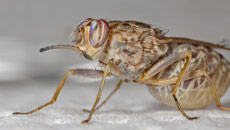
    With genome decoding of tsetse fly that causes the potentially fatal sleeping sickness disease, scientists have discovered new clues to the diet, vision and reproductive strategies of the insect.

    Fly's genome study offers hope for sleeping sickness

    Technology to catch dozing drivers on the go

    Technology to catch dozing drivers on the go
    Long rides at night can now become a lot more pleasant and safe if you listen to researchers who have developed an inexpensive and easier way to find out when the person behind the wheel is about to nod off.

    Technology to catch dozing drivers on the go

    Astronauts may face attention deficit risks

    Astronauts may face attention deficit risks
    Astronauts who are radiation-sensitive need to take extra care to protect their brains as they may face risks of attention deficit and slower reaction times, a study suggests.

    Astronauts may face attention deficit risks

    Befriend a cyber buddy to stay motivated

    Befriend a cyber buddy to stay motivated
    Although a human partner is a better motivator during exercise, a software-generated cyber partner can also be effective in making you work a little extra, research reveals.

    Befriend a cyber buddy to stay motivated

    New method to treat cocaine addiction effectively

    New method to treat cocaine addiction effectively
    There is hardly any effective medications for cocaine addiction, but researchers have now discovered a new compound that can halt cocaine addiction, raising hope for new treatment for drug addicts.

    New method to treat cocaine addiction effectively