Thursday, December 25, 2025
ADVT 
Health

Genes may influence hangover chances

Darpan News Desk IANS, 24 Aug, 2014 06:55 AM
    Know why you get a hangover after a night of drinking while some of your friends do not? Blame it on your genes.
     
    According to new research from University of Missouri-Columbia, genetic factors accounted for 45 percent of the difference in hangover frequency in women and 40 percent in men.
     
    People who are less susceptible to having a hangover might have a greater risk for alcohol addiction, the study noted.
     
    To reach this conclusion, the team looked for links between the participants' genetic makeup and the number of hangovers the individuals reported experiencing in the past year.
     
    Nearly 4,000 middle-aged people from the Australian Twin Registry participated in a telephonic survey, reporting their experiences with hangovers and alcohol consumption.
     
    The findings suggest that people who frequently consume alcohol should observe the way their bodies react to it.
     
    "There is a strong correlation between identical twins in reports of hangover frequency as well as hangover resistance, meaning that the genetic similarities of some twins played a part in their hangover susceptibility," researchers noted.


    MORE Health ARTICLES

    Poor sleep may affect brain function as you age

    Poor sleep may affect brain function as you age
    Sleep problems are associated with worse memory and executive functions in older people, says a study.

    Poor sleep may affect brain function as you age

    Believe it or not, It's now illegal in some places to be an annoying person

    Believe it or not, It's now illegal in some places to be an annoying person
    Every day, I spring out of bed at six in the morning intending to spread sweetness and light all day. And then the idiots happen.

    Believe it or not, It's now illegal in some places to be an annoying person

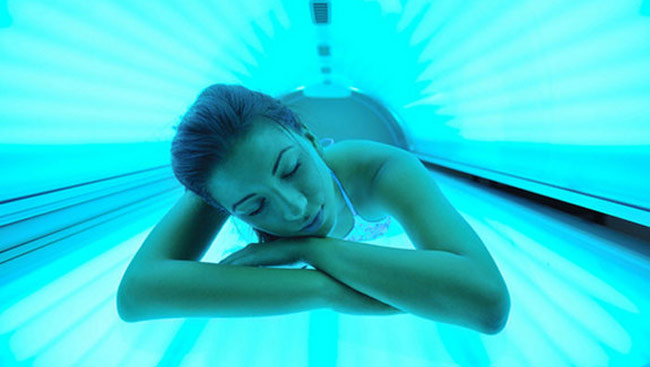
    Indoor tanning ups skin cancer risk

    Indoor tanning ups skin cancer risk
    The ultraviolet (UV) radiation lamps used for indoor tanning put adolescents and young adults at risk for basal cell carcinomas (BCC), the most common form of skin cancer, says a study.

    Indoor tanning ups skin cancer risk

    Midwifery matters more than we realise

    Midwifery matters more than we realise
    Experts have urged global leaders through a series in a science journal to recognise midwifery's potential to save the lives of women and infants worldwide.

    Midwifery matters more than we realise

    Anti-depressants during pregnancy up obesity, diabetes risk in kids

    Anti-depressants during pregnancy up obesity, diabetes risk in kids
    Pregnant women are particularly vulnerable to depression, but women who take anti-depressants during pregnancy may be predisposing their infants to Type 2 diabetes and obesity later in life, says a study.

    Anti-depressants during pregnancy up obesity, diabetes risk in kids

    Simple blood tests can save hepatitis patients

    Simple blood tests can save hepatitis patients
    Blood tests can save more than 80 percent hepatitis C patients and over 60 percent hepatitis B patients when combined with proper prevention and treatment, say experts.

    Simple blood tests can save hepatitis patients