Monday, December 22, 2025
ADVT 
Health

Genetic mutations can't explain asthma

Darpan News Desk IANS, 18 Jan, 2015 12:01 PM
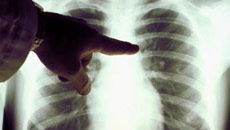
    Despite a strong suspected link between genetics and asthma, genetic mutations account for only a small part of the risk for developing the disease, shows a new study.
     
    Rare and low frequency genetic mutations have been thought to explain this missing heritability, but they are unlikely to play a major role.
     
    Analysing the coding regions of genomes of over 11,000 individuals, the scientists identified mutations in just three genes that were associated with asthma risk.
     
    These three genes include GRASP, GSDMB and MTHFR.
     
    The study suggests gaps in the current understanding of asthma genetics.
     
    "Previous studies have likely overestimated the heritability of asthma. This could be because those estimates are based on correlations between family members that share environment as well as genes, which could inflate the heritability," said Carole Ober from department of human genetics at University of Chicago.
     
    Previous studies did not consider gene-environment interactions and these are particularly important in establishing individual risks for asthma.
     
    Catherine Igartua from University of Chicago evaluated nearly 33,000 rare or low frequency mutations in more than 11,000 individuals of a variety of ethnicities.
     
    She used a technique that allowed her to study mutations common in one ethnicity, but rare in others.
     
    These genes, involved in protein scaffolding, apoptosis regulation and vitamin B9 metabolism, respectively, have so far unknown roles in asthma.
     
    Although rare mutations might not contribute much to population asthma risk, these genes still have the potential to serve as targets for therapeutic development.
     
    "It was assumed that there would be rare mutations with larger effect sizes than the common variants we have been studying," Ober noted.
     
    The findings appeared in Nature Communications.
    MORE Health ARTICLES

    Now, a DNA tool to spot cancer

    Now, a DNA tool to spot cancer
    Detecting cancer could soon become a lot easier as scientists have used DNA to develop a tool that detects and reacts to chemical changes caused by cancer cells.

    Now, a DNA tool to spot cancer

    What you were waiting for! A device that detects pee in pool

    What you were waiting for! A device that detects pee in pool
    Those who have a habit of peeing in a swimming pool, beware. Here comes a device glows green the moment it detects traces of human waste in water.

    What you were waiting for! A device that detects pee in pool

    Do humans have spiders' genes?

    Do humans have spiders' genes?
    Not only the spiderman, even you may share certain genomic similarities with spiders, a study that for the first time sequenced the genome of a spider has revealed.

    Do humans have spiders' genes?

    Anger a better motivator for volunteers than sympathy?

    Anger a better motivator for volunteers than sympathy?
    Angry people do not always raise a ruckus; they may also bring about positive changes to society with a new study showing that anger may be more effective at motivating people to volunteer than other motives.

    Anger a better motivator for volunteers than sympathy?

    Impulsive people at greater risk of food addiction

    Impulsive people at greater risk of food addiction
    Impulsive people are at greater risks of food and drug addition as impulsivity is a result of cellular activities in the part of the brain involved with reward and not a result of dysfunctional eating behaviour, a study indicated.

    Impulsive people at greater risk of food addiction

    'Lung disease linked to diabetes under-diagnosed in India'

    'Lung disease linked to diabetes under-diagnosed in India'
    An infectious lung disease - melioidosis - which is linked to diabetics is grossly under-diagnosed in India, according to a British expert.

    'Lung disease linked to diabetes under-diagnosed in India'