Friday, April 10, 2026
ADVT 
Health

Green Tea, Red Wine Reduce Cold, Cough Risk

Darpan News Desk IANS, 15 May, 2015 11:13 AM
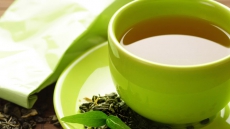
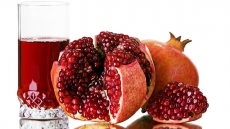
    A study by the University of Auckland showed on Friday that eating flavonoids, found in green tea, apple, blueberries, cocoa, red wine and onions can significantly reduce the risk of catching colds and coughs.
     
    The study showed adults could be 33 percent more protected against the common cold, or upper respiratory tract infections, if they eat flavonoids or take flavonoid supplements, compared with those who don't.
     
    People who eat flavonoids also took fewer sick days off work, nutrition researcher Andrea Braakhuis said in a statement.
     
    "These findings show that if you're generally healthy, eating flavonoids found in lots of fruits and vegetables can help stave off the bugs over winter," Xinhua news agency quoted Braakhuis as saying.
     
    Most adults have two or three colds a year and children can have up to five, with symptoms including a sore throat, cough, runny nose and headache.
     
     
    "We'd all love to make it through winter without one of these nasty colds. They're a leading cause of visits to a doctor, yet antibiotics don't help, so it's worth giving flavonoids a go as part of a healthy diet," said Braakhuis.
     
    Nutrition scientists were learning more about the special components in foods, like flavonoids, which were thought to have anti-viral, anti-inflammatory and antioxidant properties that help reduce the incidence of coughs and colds and boost immune function.
     
    "Eating five serves of vegetables and two of fruit each day, in a variety of colours, will put you well on the path to getting enough flavonoids. Make sure your dinner plate is at least half full of vegetables, sip green tea over winter and enjoy the occasional red wine," she said.


    MORE Health ARTICLES

    Robotic walking stick for visually impaired

    Robotic walking stick for visually impaired
    In a first, engineers have designed a robotic walking stick for the visually impaired that can detect the user's immediate path and store localised geographical information...

    Robotic walking stick for visually impaired

    Genes may influence hangover chances

    Genes may influence hangover chances
    According to new research from University of Missouri-Columbia, genetic factors accounted for 45 percent of the difference in hangover frequency in women and 40 percent in men...

    Genes may influence hangover chances

    Green tea can protect spinal cord neurons

    Green tea can protect spinal cord neurons
    Chinese researchers have found evidence that polyphenols can protect spinal cord neurons against oxidative stress and can reduce free radical damage....

    Green tea can protect spinal cord neurons

    Serotonin can reduce sensitivity to pain

    Serotonin can reduce sensitivity to pain
    Researchers at Portugal's Champalimaud Foundation said Friday that the molecule of serotonin in the organism can diminish sensitivity to pain...

    Serotonin can reduce sensitivity to pain

    Pomegranate peel may cure deadly brain disorders

    Pomegranate peel may cure deadly brain disorders
    Do not throw that pomegranate peel in the garbage bin. In the near future, it may be a source of drugs for two incurable diseases that affect the elderly....

    Pomegranate peel may cure deadly brain disorders

    Botox could help treat stomach cancers!

    Botox could help treat stomach cancers!
    Through their study, the scientists have shown how the drug slows cancer growth by eliminating the signals sent by nerves that are linked to cancer stem cells...

    Botox could help treat stomach cancers!