TORONTO — A hundred years ago, a small wound could result in death if an infection spread. That could become reality again as the world threatens to return to a pre-antibiotic era due to antibiotic resistance.
Some have pointed to the widespread use of antibiotics in livestock feed as a culprit, resulting in urgent calls to quell their use and find alternatives.
"Right now we have this huge crisis that we are not developing new antibiotics and yet we have growing resistance to antibiotics," said Bob Hancock, professor and director of the centre for microbial diseases and immunity research at the University of British Columbia.
The simple explanation, he said, is that the more antibiotics are used, the more likely it is for resistance to grow.
"The bottom line is that if we don't do something new, then we'll end up in the pre-antibiotic era where the most intensive medical procedures will be really difficult," said Hancock. "It is a potential medical disaster."
One Canadian company says it has a solution that can help keep farm animals healthy and thriving without the use of antibiotics.
Ottawa-based Avivagen (TSX:VIV) has created OxC-beta, a natural alternative to antibiotics in animal feed using beta-carotene — the same carotenoid that gives carrots their vivid orange hue.
While it doesn't replace a therapeutic use of antibiotics, it both helps animals grow optimally and boosts their immune systems, said president and CEO Cameron Groome, making it less likely the animals will need a dose of antibiotics to treat a medical issue.
The company has conducted trials with hogs and poultry that show positive benefits, he adds.

Antibiotics are widely incorporated into livestock feed both as growth promoters and for disease prevention. Some estimates suggest about 70 per cent of all antibiotic use worldwide goes to animals, not humans.
The organisms these drugs were created to stop can then develop resistance to them, meaning new medicines are needed to fight the same organisms. But few new antibiotics are being developed.
Gonorrhea, for example, may soon be untreatable, according to the World Health Organization, thanks to resistance to last-resort treatments and lack of new options.
Hancock says there's scant financial incentive for pharmaceutical companies to develop new antibiotics, and there's always the possibility the world has run dry of new varieties to develop.
Some countries have already banned antibiotic use in livestock feed to help animals grow.
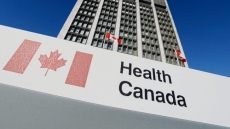
Health Canada is working towards phasing out farmers' use of medically important antimicrobial drugs in livestock feed for these purposes, said spokeswoman Rebecca Gilman in an email. The agency plans to implement the initiative in the fall of next year.
The federal agency will also increase veterinary oversight of these antibiotics when they're to be used in food-producing animals to prevent disease.
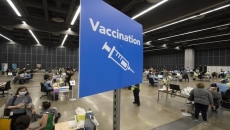
Other alternatives to mixing antibiotics with livestock feed exist. There are probiotic and essential oil solutions cropping up. Vaccines are one preventative measure that may be used.
But Groome says Avivagen's product, among other things, is easier to handle than many of those alternatives.
The company has sold some of its product in Thailand and Taiwan, where it's been cleared for commercial use. It's working on approval in South Korea, Vietnam and the Philippines, and recently announced a partnership with a Chinese group of companies, Jintai, to commercialize its OxC-beta in the country.

Eventually, Avivagen plans to expand in North America, including Canada. But Canadian regulations will make that tricky for the company, said Groome, who anticipates the product will land south of the border first.
"It's quite ironic, even though this comes out of Canada, it's been developed in Canada, it's been proven up in Canada, that Canada may be one of the last places it's actually available to the industry."