Wednesday, February 11, 2026
ADVT 
Health

Have Peanuts With Meal To Ward Off Heart Diseases

Darpan News Desk IANS, 31 Mar, 2015 12:00 PM
    Including peanut in a high-fat meal may protect your heart from the negative effects of such a diet, suggests a new study.
     
    Peanuts can be substituted for high-fat, nutrient-poor foods in the diet that contain solid fats, said the study recently presented at the American Society for Nutrition's 79th scientific sessions and annual meeting in Boston.
     
    "Previous studies have shown that individuals who consume peanuts more than two times a week have a lower risk of coronary heart disease," said lead researcher Xiaoran Liu, graduate student at the Pennsylvania State University, US.
     
    "This study indicates that the protective effect of peanut consumption could be due, in part, to its beneficial effect on artery health," Liu added.
     
    The purpose of this research was to evaluate vascular function after a high-fat meal.
     
    Overweight males were randomised to consume either shake with peanuts or a control meal (a shake without peanuts) that were matched for energy and macronutrients.
     
    The lipid profile, glucose and insulin were measured five times after each meal.
     
    Flow-mediated dilatation (FMD) was measured to assess vascular function.
     
    The control meal decreased FMD by 1.2 percent compared to baseline. In contrast, there was no decrease in FMD after the peanut meal.
     
    These results demonstrate that the peanut meal maintained normal vascular function whereas the control meal impaired vascular function acutely, the researchers noted.
     
    Vascular dysfunction plays a major role in the development of atherosclerosis, the formation of coronary plaques and lesions that lead to coronary artery disease.
    MORE Health ARTICLES

    Brains of depressed young adults 'hyper-connected'

    Brains of depressed young adults 'hyper-connected'
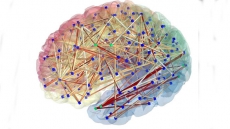
    Several regions of the brain in young adults who have a history of depression are "hyper-connected" -- or are talking to each other a little too much, new research finds....

    Brains of depressed young adults 'hyper-connected'

    Canada pulling 3 member lab team back from Sierra Leone over Ebola fears

    Canada pulling 3 member lab team back from Sierra Leone over Ebola fears
    Canada is bringing three scientists home from Kailahun, Sierra Leone, a post which the World Health Organization has temporarily closed to investigate the infection of an international medical responder working there.

    Canada pulling 3 member lab team back from Sierra Leone over Ebola fears

    More kids at risk of developing diabetes from womb, says study

    More kids at risk of developing diabetes from womb, says study
    New research shows that children exposed to gestational diabetes in the wombs are nearly six times more likely to develop diabetes or prediabetes than children...

    More kids at risk of developing diabetes from womb, says study

    Low-dose aspirin reduces blood clot risk

    Low-dose aspirin reduces blood clot risk
    Low-dose aspirin can help prevent new blood clots among people who are at risk and have already suffered a blood clot, says a promising study....

    Low-dose aspirin reduces blood clot risk

    Knee surgery not needed for mild osteoarthritis

    Knee surgery not needed for mild osteoarthritis
    Middle-aged and older patients with mild osteoarthritis of the knee may not benefit from the procedure of arthroscopic knee surgery, says new research....

    Knee surgery not needed for mild osteoarthritis

    Eye changes can predict dementia

    Eye changes can predict dementia
    A loss of cells in the retina is one of the earliest signs of a form of dementia in people with a genetic risk for the brain disorder - even before any changes appear....

    Eye changes can predict dementia