Friday, January 16, 2026
ADVT 
Health

High cholesterol ups risk of prostate cancer recurrence

Darpan News Desk IANS, 12 Oct, 2014 11:09 AM
    Higher levels of cholesterol and triglycerides, two types of fat, in the blood of men who underwent surgery for prostate cancer, may increase risk of disease recurrence, says a study.
     
    "Our findings suggest that normalisation, or even partial normalisation, of serum lipid levels among men with dyslipidemia (abnormal lipid profile) may reduce the risk of prostate cancer recurrence," said Emma Allott from the Duke University' School of Medicine in Durham, US.
     
    For the study, the researchers analysed data from 843 men who underwent radical prostatectomy after a prostate cancer diagnosis and who never took statins before surgery.
     
    They found that those who had serum triglyceride levels of 150 mg/dl (milligrams per decilitre) or higher had a 35 percent increased risk of prostate cancer recurrence, when compared with patients who had normal levels of triglycerides.
     
    Among those with abnormal blood lipid profile, for every 10 mg/dl increase in total serum cholesterol above 200 mg/dL, there was a nine percent increased risk of prostate cancer recurrence.
     
    For every 10 mg/dl increase in high density lipoprotein (HDL or "good" cholesterol) among men with abnormal HDL (below the desirable value of 40 mg/dl), the risk of prostate cancer recurrence was lowered by 39 percent.
     
    "Understanding associations between obesity, cholesterol, and prostate cancer is important given that cholesterol levels are readily modifiable with diet and/or statin use, and could therefore have important, practical implications for prostate cancer prevention and treatment," Allott explained.
     
    The study appeared in the journal Cancer Epidemiology, Biomarkers and Prevention.
    MORE Health ARTICLES

    New diabetes, obesity drug: Indian-American's promising research

    New diabetes, obesity drug: Indian-American's promising research
    Two researchers at Indiana University, including an Indian-American, are leading the way towards developing a new potential non-insulin drug for diabetes and obesity, which needs to be taken only once a week.

    New diabetes, obesity drug: Indian-American's promising research

    Build super muscles with soy-dairy protein

    Build super muscles with soy-dairy protein
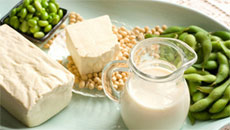
    Not happy with gym results on your muscles? Try a blend of soy and dairy proteins after resistance exercises as this has now been touted as the best way to build muscle mass.

    Build super muscles with soy-dairy protein

    'Love hormone' bonds animals like humans

    'Love hormone' bonds animals like humans
    And you thought you had a patent on 'love hormone' when it comes to showing affection! Dogs too have oxytocin and release it in a good quantity when in love or looking for bonding.

    'Love hormone' bonds animals like humans

    Can you believe it? Metabolism existed even before origin of life, reveales study

    Can you believe it? Metabolism existed even before origin of life, reveales study
    The mystery behind how the first organisms on earth could have become metabolically active has been unlocked.

    Can you believe it? Metabolism existed even before origin of life, reveales study

    Fly's genome study offers hope for sleeping sickness

    Fly's genome study offers hope for sleeping sickness
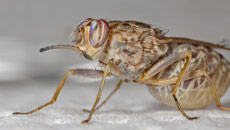
    With genome decoding of tsetse fly that causes the potentially fatal sleeping sickness disease, scientists have discovered new clues to the diet, vision and reproductive strategies of the insect.

    Fly's genome study offers hope for sleeping sickness

    Technology to catch dozing drivers on the go

    Technology to catch dozing drivers on the go
    Long rides at night can now become a lot more pleasant and safe if you listen to researchers who have developed an inexpensive and easier way to find out when the person behind the wheel is about to nod off.

    Technology to catch dozing drivers on the go