Thursday, December 25, 2025
ADVT 
Health

How Does HIV Virus Evades Immune System

Darpan News Desk IANS, 17 Apr, 2016 12:22 PM
    Scientists have identified a human (host) protein that weakens the immune response to HIV and other viruses.
     
    "Our study provides critical insight on a paramount issue in HIV research: Why is the body unable to mount an efficient immune response to HIV to prevent transmission?" said one of the researchers Sumit Chanda, professor and director of Sanford Burnham Prebys Medical Discovery Institute (SBP) in the US.
     
    The findings showed that a deficiency in NLRX1 -- an intracellular protein -- reduces the replication of the HIV virus.
     
    It also slows down the power of immune system and promotes immunity to infection.
     
    "Importantly, we were able to show that deficiencies in NLRX1 reduce HIV replication, suggesting that the development of small molecules to modulate the innate immune response may inhibit viral transmission and promote immunity to infection," Chanda added, in the paper published in the journal Cell Host and Microbe.
     
    Further, host immune checkpoints that control the immune response to cancer were also discovered.
     
    "This research expands our understanding of the role of host proteins in viral replication and the innate immune response to HIV infection, and can be extended to DNA viruses such as HSV and vaccinia," added another researcher Haitao Guo, postdoctoral research associate at University of North Carolina.
     
    Immune checkpoints are immunological "brakes" that prevent the over-activation of the immune system on healthy cells.
     
    Tumour cells often take advantage of these checkpoints to escape detection of the immune system.
     
    The results have important implications for improving HIV antiviral therapies, creating effective viral vaccines, and advance a new approach to treat cancer, the team concluded.
    MORE Health ARTICLES

    Personalised vaccines for cancer a step closer

    Personalised vaccines for cancer a step closer
    Researchers have developed a strategy to create personalised vaccines that spur the immune system to attack harmful tumours....

    Personalised vaccines for cancer a step closer

    'Off switch' for pain discovered

    'Off switch' for pain discovered
    Researchers have uncovered a new way to block neuropathic pain including pain caused by chemotherapeutic agents and bone cancer....

    'Off switch' for pain discovered

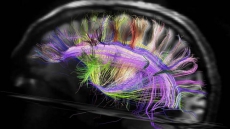
    Nervous system plays bigger role in infections

    Nervous system plays bigger role in infections
    The nervous system may play a bigger role in infections and auto-immune diseases than previously known, says a study....

    Nervous system plays bigger role in infections

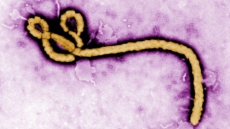
    Ebola test results now in 15 minutes!

    Ebola test results now in 15 minutes!
    The project, led by the Pasteur Institute in Dakar, Senegal, uses a "mobile suitcase laboratory", BBC reported....

    Ebola test results now in 15 minutes!

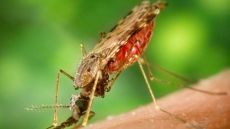
    Not all mosquitoes can transmit malaria

    Not all mosquitoes can transmit malaria
    A genetic study has revealed that certain species of mosquitoes have evolved to better transmit malaria than even some of their close cousins....

    Not all mosquitoes can transmit malaria

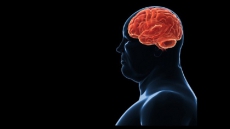
    Mechanism linked to stroke damage identified

    Mechanism linked to stroke damage identified
    Researchers have discovered the mechanism linked to stroke damage and brain function, thus paving the way to develop a new drug target to block brain damage....

    Mechanism linked to stroke damage identified